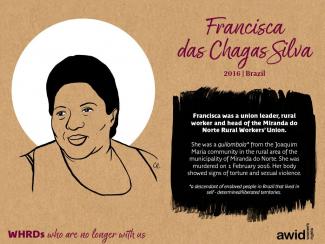
Francisca das Chagas Silva
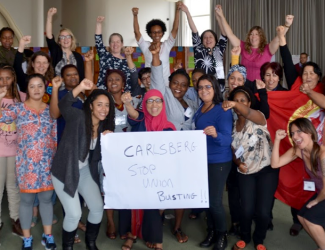
Women human rights defenders (WHRDs) worldwide defend their lands, livelihoods and communities from extractive industries and corporate power. They stand against powerful economic and political interests driving land theft, displacement of communities, loss of livelihoods, and environmental degradation.
Extractivism is an economic and political model of development that commodifies nature and prioritizes profit over human rights and the environment. Rooted in colonial history, it reinforces social and economic inequalities locally and globally. Often, Black, rural and Indigenous women are the most affected by extractivism, and are largely excluded from decision-making. Defying these patriarchal and neo-colonial forces, women rise in defense of rights, lands, people and nature.
WHRDs confronting extractive industries experience a range of risks, threats and violations, including criminalization, stigmatization, violence and intimidation. Their stories reveal a strong aspect of gendered and sexualized violence. Perpetrators include state and local authorities, corporations, police, military, paramilitary and private security forces, and at times their own communities.
AWID and the Women Human Rights Defenders International Coalition (WHRD-IC) are pleased to announce “Women Human Rights Defenders Confronting Extractivism and Corporate Power”; a cross-regional research project documenting the lived experiences of WHRDs from Asia, Africa and Latin America.
"Women Human Rights Defenders confronting extractive industries: an overview of critical risks and Human Rights obligations" is a policy report with a gender perspective. It analyses forms of violations and types of perpetrators, quotes relevant human rights obligations and includes policy recommendations to states, corporations, civil society and donors.
"Weaving resistance through action: Strategies of Women Human Rights Defenders confronting extractive industries" is a practical guide outlining creative and deliberate forms of action, successful tactics and inspiring stories of resistance.
The video “Defending people and planet: Women confronting extractive industries” puts courageous WHRDs from Africa, Asia, and Latin America in the spotlight. They share their struggles for land and life, and speak to the risks and challenges they face in their activism.
Challenging corporate power: Struggles for women’s rights, economic and gender justice is a research paper outlining the impacts of corporate power and offering insights into strategies of resistance.
AWID acknowledges with gratitude the invaluable input of every Woman Human Rights Defender who participated in this project. This project was made possible thanks to your willingness to generously and openly share your experiences and learnings. Your courage, creativity and resilience is an inspiration for us all. Thank you!
Publication de la version zéro du document final, mars 2015
เมื่อ AWID ถามตัวเองด้วยคำถามเดียวกัน เราเชื่อว่าไม่มีคำตอบง่ายๆสำหรับเรื่องนี้ สำหรับผู้เข้าร่วมจำนวนมาก AWID ฟอรัม อาจเป็นหนึ่งในการเดินทางระหว่างประเทศไม่กี่ทริปที่พวกเขาเคยทำในชีวิต การระบาของโรคโควิด19ได้ให้บทเรียนเราถึงความเป็นไปได้ต่างๆในการพบเจอกันรูปแบบอื่นๆที่ไม่ใช่ทางกายภาพ แต่ก็ให้บทเรียนเราถึงข้อจำกัดของพื้นที่เสมือนจริงสำหรับการสร้างการขบวนการด้วย ไม่มีรูปแบบใดที่เหมือนกับการเชื่อมต่อแบบตัวต่อตัว ขบวนการจำเป็นต้องมีการเชื่อมโยงข้ามพรมแดนเพื่อสร้างพลังร่วมในการเผชิญกับภัยคุกคามที่เรากำลังเผชิญหน้าอยู่ โดยเฉพาะอย่างยิ่งวิกฤตสภาพภูมิอากาศ เราเชื่อว่า AWID ฟอรัม ที่กำลังจะมาถึงสามารถเป็นพื้นที่เชิงกลยุทธ์ในการก่อให้เกิดพื้นที่สำหรับการสนทนาเหล่านี้ และทำให้เราได้สำรวจทางเลือกอื่นนอกเหนือจากการเดินทางระหว่างประเทศ การประชุมแบบผสม(ออนไลน์และกายภาพ)ของฟอรัมเป็นส่วนสำคัญของการสำรวจนี้
 |
 |
 |
 |
 |
 |
 |
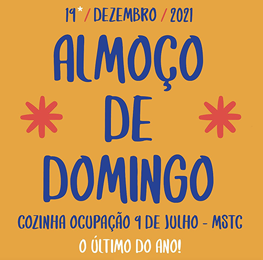 |
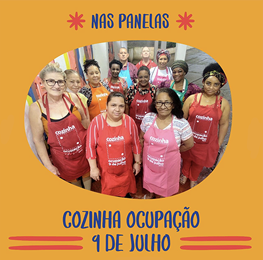
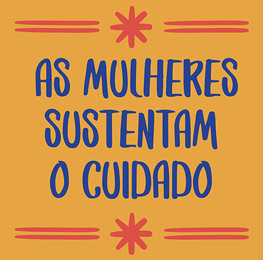
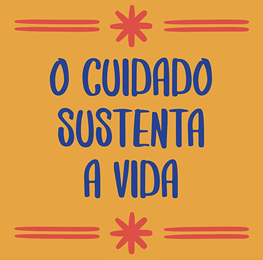
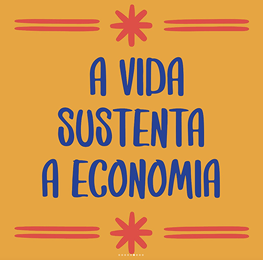
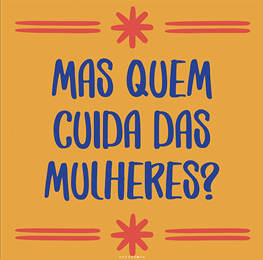
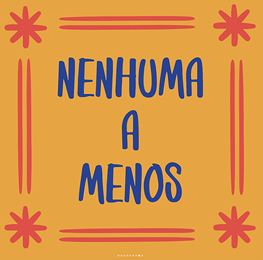
Women sustain Care | Care Sustains Life | Life Sustains Economy | Who takes care of women? | Not one less1 | Together | Sunday lunch
1Nenhuna a menos literally translates as “not one woman less” or “ni una menos” in Spanish - a famous feminist slogan in Latin America that emerged in Argentina as a response to increasing gender-based violence.
Development financing has specific threats and opportunities for women's and all people’s human rights. Transformative development financing and policies can make an important contribution to the systemic changes that are needed to ensure the respect, protection and fulfillment of women’s human rights.
2015 is an important year for the FfD process. The Third International Conference on FfD took place from 13-16 July 2015 in Addis Ababa, Ethiopia and governments are finalising the post-2015 development agenda including agreements on how the new Sustainable Development Goals will be financed.
The current stage of the FfD process is an important opportunity to establish a financing framework that will ensure effective financing for the implementation of the post 2015 agenda and the Sustainable Development Goals (SDGs). It is also an opportunity to address the structural conditions, and systemic changes needed, for the full implementation of other agendas and commitments such as Human Rights Conventions, and the Beijing Platform for Action.
Over the last 13 years, women’s rights and feminist organizations have actively engaged in the FfD process.
 |
Derechos humanos y etnico-territoriales Asegurar la defensa de los derechos humanos y los derechos de la Naturaleza a través de la construcción de alianzas con actores y organizaciones locales, nacionales, regionales y globales. |
 |
Desarrollo Sostenible Garantizar que todas las actividades económicas, culturales y ambientales contribuyan al desarrollo sostenible, la seguridad alimentaria y la generación de ingresos, respetando la libre determinación y el autogobierno de las comunidades afrodescendientes. |
 |
Educación y formación Capacitar y empoderar mujeres para que defiendan sus derechos en diferentes espacios políticos, sociales y económicos. ¡Para obtener más información, puedes ver más aquí! |

📅 Mardi 12 mars
🕒 de 9 h à 17 h HNE
🏢 Armenian Cultural Center, 630 2e avenue, coin de la 35e rue
En vous promenant dans le quartier du Raval à Barcelone, vous croiserez peut-être Metzineres, une coopérative féministe par et pour les femmes et personnes trans et non-binaires qui consomment de la drogue.
Imaginez un endroit sans stigmatisation, où les femmes et personnes trans et non-binaires peuvent consommer des drogues en toute sécurité. Un lieu qui offre sécurité, soutien et accompagnement aux femmes et personnes trans et non-binaires dont les droits sont systématiquement bafoués par la guerre contre la drogue et qui subissent violence, stigmatisation et répression en conséquence.
Juste à l'extérieur de l'entrée, les passant·es et les visiteur·euses sont accueilli·e·s par un immense tableau noir où figurent des conseils, des astuces, des souhaits et des dessins de personnes qui consomment de la drogue. Il existe également un calendrier qui présente une série d'activités auto-organisées par la communauté Metzineres. Qu'il s'agisse d'ateliers coiffure et cosmétique, des émissions radio, des pièces de théâtre, de repas communs offerts à la communauté ou des cours d'autodéfense, il y a toujours quelque chose à faire!
La coopérative offre des sites de consommation sûrs ainsi que des services qui couvrent les besoins de base des gens. Il y a des lits, des casiers, des douches, des toilettes, des machines à laver et une petite terrasse extérieure où les gens peuvent se détendre ou jardiner.
Metzineres opère dans un cadre de réduction des méfaits, qui tente de réduire les conséquences négatives de la consommation de drogue. Mais la réduction des méfaits est bien plus qu'un ensemble de pratiques: c'est une politique ancrée dans la justice sociale, la dignité et les droits des personnes qui consomment des drogues.
我們會盡快宣布。敬請關注!
Related content
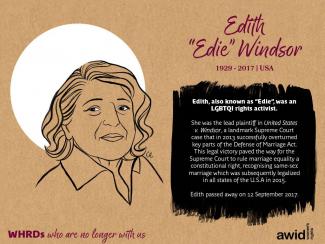
The Guardian: Edith Windsor, icon of gay rights movement, dies aged 88
Rolling Stone: Edith Windsor, Same-Sex Marriage Activist, Dead at 88
BBC: Edie Windsor: Gay rights trailblazer dies aged 88
The New Yorker: Postscript: Edith Windsor, 1929-2017
The Guardian: Goodbye, Edie Windsor. Thank you for never giving up
Love and Justice: Edith Windsor talks with Ariel Levy - The New Yorker Festival - The New Yorker (Video)
Remembering Edie Windsor (Video)
The survey is for groups, organizations and movements working specifically or primarily for the rights of women, LBTQI+ people and on gender justice in all contexts, at all levels, and in all regions. If this is one of the core pillars of your group, collective, network or any other type of organization - whether registered or not, newly formed or long-standing, we invite you to take this survey.

*At this time, we are not asking for responses from individuals or funders.
Learn more about the survey:
Consult the F.A.Q.