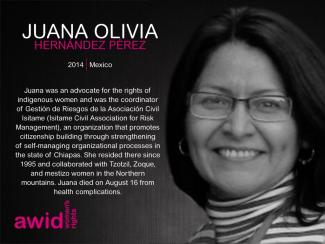
Juana Olivia Hernández Pérez
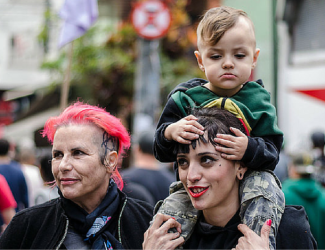
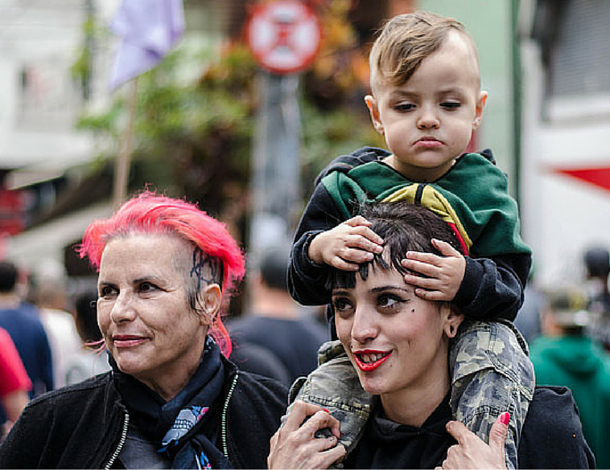
Over the past few years, a troubling new trend at the international human rights level is being observed, where discourses on ‘protecting the family’ are being employed to defend violations committed against family members, to bolster and justify impunity, and to restrict equal rights within and to family life.
The campaign to "Protect the Family" is driven by ultra-conservative efforts to impose "traditional" and patriarchal interpretations of the family, and to move rights out of the hands of family members and into the institution of ‘the family’.
Since 2014, a group of states have been operating as a bloc in human rights spaces under the name “Group of Friends of the Family”, and resolutions on “Protection of the Family” have been successfully passed every year since 2014.
This agenda has spread beyond the Human Rights Council. We have seen regressive language on “the family” being introduced at the Commission on the Status of Women, and attempts made to introduce it in negotiations on the Sustainable Development Goals.
AWID works with partners and allies to jointly resist “Protection of the Family” and other regressive agendas, and to uphold the universality of human rights.
In response to the increased influence of regressive actors in human rights spaces, AWID joined allies to form the Observatory on the Universality of Rights (OURs). OURs is a collaborative project that monitors, analyzes, and shares information on anti-rights initiatives like “Protection of the Family”.
Rights at Risk, the first OURs report, charts a map of the actors making up the global anti-rights lobby, identifies their key discourses and strategies, and the effect they are having on our human rights.
The report outlines “Protection of the Family” as an agenda that has fostered collaboration across a broad range of regressive actors at the UN. It describes it as: “a strategic framework that houses “multiple patriarchal and anti-rights positions, where the framework, in turn, aims to justify and institutionalize these positions.”
سنقوم بتحليل الردود على الاستطلاع للوصول للاستنتاجات الأساسية والنتائج خلال المنتدى العالمي ل AWID في بانكوك، وعن طريق الانترنت في ديسمبر (كانون الأول) 2024. الرجاء التسجيل هنا لحضور المنتدى.
A complex and evolving network of anti-rights actors is exerting increasing influence in international spaces as well as domestic politics. Often backed by obscure funding, these actors build tactic alliances across issues, regions, and faiths to increase their impact.
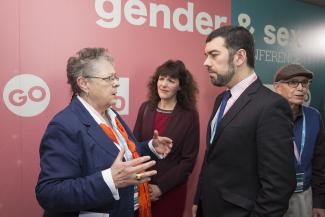
We are witnessing fascist and fundamentalist actors that, while nationalist in their discourse, are completely transnational in their ideological underpinnings, political alliances, and networks of financing. In some cases these groups are backed by obscure funding flows, linked with big business, or far-right political parties. However, they also create strategic alliances, including, in some cases, with segments of the feminist and women’s rights movements, and distance themselves from more outwardly extreme elements to appear more legitimate. Anti-rights actors are also spreading and replicating their brand of anti-rights organizing - be that campaigning and lobbying or strategic litigation - across the globe.
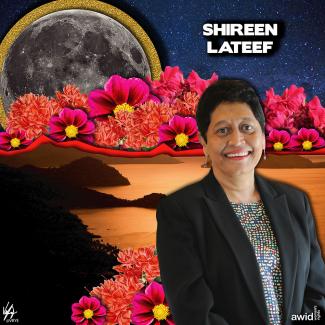
Shireen fue una inspiración para muchas feministas en Fiyi y una aliada poderosa del movimiento de mujeres.
Abogó incansablemente por la igualdad de género tanto a nivel local como regional. Comenzó su carrera como especialista junior en género en el Banco de Desarrollo Asiático e introdujo profundos cambios en las políticas de género de la institución. Su investigación «Gobernar mediante lxs danda: violencia doméstica entre lxs indo-fiyianxs» fue uno de los primeros trabajos de investigación sobre violencia doméstica, matrimonio y mujeres en Fiyi. Este trabajo fundacional ha sido un catalizador para el trabajo feminista en esta área.
El legado de Shireen sigue vivo porque son muchxs lxs que recuerdan su influencia, su compromiso y su apoyo al movimiento de mujeres de Fiyi y del Pacífico.
por Amal Amer
Rezo con mi familia por primera vez en seis años envueltx en un keffiyah que recogí de un contenedor de basura. (...)
arte: «Angels go out at night too» [Los ángeles también salen de noche], Chloé Luu >
Cette communauté est un endroit de connexions, où l’on comprend nos combats individuels comme faisant partie de luttes mondiales, et où l’on peut même parfois danser ! Il n’existe aucun endroit de la sorte en ligne, où être en contact avec des activistes de terrain, qui viennent du monde entier, et forger de la solidarité et de la sororité..- Paz Romero, Argentina
Nous sommes ravi.es d'annoncer le lancement du nouveau podcast de l'AWID, NOTRE FLAMME FÉMINISTE. Notre série narrative dévoile plus de 40 ans de mouvements féministes et réinvente une voie à suivre.
Dans notre saison pilote, vous entendrez cinq histoires captivantes qui font partie d'une constellation d'activisme féministe aujourd'hui. Animé par Gopika Bashi, notre directrice adjointe des programmes à l'AWID, chaque épisode explore des réalités féministes uniques mais interconnectées qui améliorent la justice de genre et les droits humains.
Produit par notre partenaire de podcast Webby Hueman Group Media, vous pouvez vous abonner à NOTRE FLAMME FÉMINISTE et écouter notre premier épisode ici.
Retrouvez-nous sur Apple Podcasts, Spotify ou partout où vous obtenez vos podcasts. Partagez avec votre réseau ! Aidez-nous à diffuser des histoires qui allument notre feu féministe et nous poussent à l'action.
Samira était une activiste syrienne sous le régime de Bachar al-Asad.
Dès son plus jeune âge, Samira s'est opposée à toutes les formes de despotisme et en particulier au régime autoritaire dans lequel elle vivait. Samira a été kidnappée en 2013 avec trois autres activistes de premier plan. Elle aurait été enlevée au Centre de documentation sur les violations à Douma, une ville située en périphérie rurale de Damas.
Le principal suspect associé à sa disparition est le groupe rebelle syrien Jaych al-Islam (l'armée de l'islam), qui nie son implication. Aucune enquête officielle n’a été ouverte sur la disparition de Samira et elle n’a plus donné de nouvelles depuis lors. Samira était attachée à son pays et refusait de quitter la Syrie tant qu'elle estimait que son rôle en faveur de l'émancipation des femmes et la documentation des crimes était utile et nécessaire.

par Marta Plaza Fernández
Le pouvoir de tisser des réseaux où nous nous soutenons les unes les autres: telle est la réalité féministe dont je veux vous faire part. (...)
illustration : « Guérir ensemble », par Upasana Agarwal >
Cuando la gente se reúne a escala global, como personas individuales y como movimientos, se genera una fuerza arrolladora. Únete a nosotrxs en Bangkok, Tailandia, y de manera virtual, en diciembre de 2024.
ترجمة رولا علاء الدين
 |
جوريما آراوْخو، معلّمة وشاعرة من ريو دي جانيرو. ساهمت في مجلة Urbana التي حرّرها الشاعران برازيل باريتو وسامارال، وفي كتاب Amor e outras revoluções “الحب والثورات الأخرى” مع العديد من الكتّاب الآخرين. بالتعاون مع أنجليكا فيراريس وفابيانا بيريرا، شاركت في تحرير O livro negro dos sentidos “الكتاب الأسود للحواس”، وهو مختارات إبداعية عن الحياة الجنسية للمرأة السوداء في البرازيل. جوريما عمرها 54 سنة. لديها ابنة وثلاثة كلاب وقطة والعديد من الأصدقاء. |
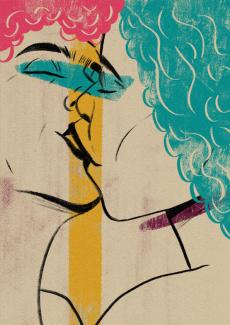
مَن يودّ المصّ معي؟المانغو هي الثمرة المفضّلة عندي. |
يومَ دعتني أنجليكا وفابي لأكون القَيِّمة على تشكيلة نصوص شبقية من تحرير نسوة سود لم أكن أعرف ما يعنيه عملُ القيِّم. الشبق ومشتقاته، هذه فهمتها جيداً، لكن عمل القَيِّم... ابتسمت تحت وطأة الخجل والإطراء. أظن أنّي شكرتهما، على الأقلّ آمل أنّي شكرتهما، وقلت في ذاتي: ماذا تعني هذه الكلمة اللعينة؟! حسناً، سأضطر إلى سَبر معاني هذا اللقب المُبهرَج وأنا أطبّقه.
اليوم، أنا على دراية بما يعينه عمل القيِّم. هو بمثابة ممارسة الحبّ مع نصوص شخصٍ آخر، مع فنّ شخصٍ آخر، بغية تجميع كتاب وتنظيمه. وهذا تماماً ما قمت به. عرّيت بشهوانية أدبية كلّ نصّ لكلٍّ من الكاتبات. تعمّقت في كلمات وحواس الآخرين. ولَجَتني قصائدُ لم أكتبها. حكايات ما كنت لأجرؤ على تخيّلها قلبتني رأساً على عقب وأربكت مشاعري وعبثت بشهوتي الجنسية. وكانت نشوةٌ رائعة وفريدة: سماويّة وجسمانيّة وسامية في آنٍ واحد، فكريّة وحسّيّة.
تنبض هذه النصوص كالبظر المنتصب رغبةً، رطبةٌ، ينسال منها الفرح مع كلّ قراءة. كلمات ابتلعتني بإيحاءتها اللعوبة، تأخذني أعمق فأعمق في هذا العالم الرّطب.
غطست هذه النسوة السود إلى قعرِ هَيْجِهنّ وحوّلن أعمق تخيّلاتهنّ الشبقيّة إلى فنٍّ.
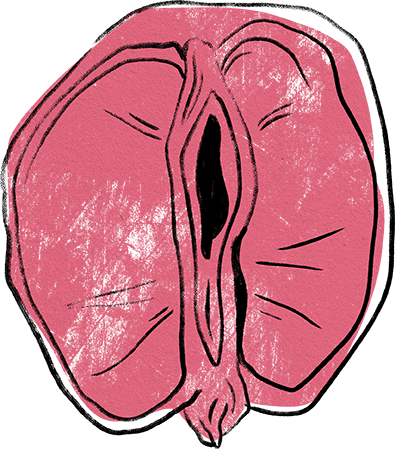
أُخْصِبَت هذه الأعمال بأسلوبِ كلٍّ من الكاتبات الخاصّ في التجربة الجنسانية، بحريّة، بسوداوية، بأنفسنا، بطريقتنا الخاصّة، بتمكّن.
اخترت أن أوزّع هذه النصوص في مختلف أجزاء الكتاب ونظّمتها بحسب محتواها الأكثر رقّة أو انفعالية أو بديهية أو ضمنيّة.
استهلالاً لهذا «اللبّ الأسود المفترج»، تأتي أقسام ’التمهيدات‘ (Preliminaries) بنصوصها التي تقدّم لمحةً للقرّاء عن عالم الأطايب هذا، وهي بمثابة لمسَة شاملة رقيقة تُعرِّف بالمواضيع التي تطرحها النصوص في باقي الكتاب.
يلي ذلك لهيبُ ’اللمس‘ (Touch) وهو جزءٌ يُعنى بكلّ ما تشعر به البشرة. تلك الطاقة التي تحرق أو تُثلِج أجسادنا، التي تفجّر هُرموناتنا وتوقظ حواسنا الأخرى. صحيحٌ أنّ كثيرين بيننا يستمتعون بشهوة التلصُّص، لكنّ ملامسة البشرة بالفم الدافئ والرّطب مثيرٌ، وهو كالتطواف في نعومة الآخر. تُغرينا اللمسة اللطيفة أو الحازمة وتجتاحنا القشعريرة، وذلك التوتّر الجميل الذي يسري من العنق إلى الظهر ولا يختفي إلا اليومَ التالي. ودفء الشفاه والفم واللسان الرّطب على البشرة، آه من حلاوة لسانٍ ينساب داخل الأذن، أو احتكاك الجلد بالجلد، والملابس تتموّج على الجسد وكأنّها امتدادٌ لليدّ. ولمّا يكون التروّي جزءاً من المتعة، وتعصف بك الإثارة بفعل قبضة مُحْكَمة وبعضٍ من الألم – أو الكثير منه، من يدري؟
أمّا ’الصوت‘ (Sound) – أو اللحن؟ – فيبيّن لنا أنّ الانجذاب يحصل أيضاً عبر حاسّة السمع: صوت الشخص، الهمسات، الموسيقى التي تشعل التواصل بين جسدٍ وآخر وقد تمسي محورَ الرغبة. فبالنسبة لبعضٍ منّا، لا يتطلّب الأمر إلّا الأوتار الصوتية لشخصٍ ذي صوتٍ جميل، فذاك الصوت الأجشّ أو العميق أو الرخيم يكون كممارسة الجنس سمعياً. أن نسمع سِبابَهم الصارخ أو كلامهم المعسول همساً في الأذن يكفي لتجتاحنا قشعريرة الإثارة من الرأس إلى أخمص القدميْن.
في ’المذاق‘ (Flavor)، نأتي إلى اللسان وهو الخبير في استكشاف الخبايا يجول هائماً على جسد الآخر ويتلذّذ. وأحياناً يُقحَم اللسان قحماً لتذوُّق رحيق الآخر. فكرة أن يُشاركنا أحدٌ فراولته أو مانغته الشهيّة الملأى، بالعضّ واللحس، أو اللحس ثم العضّ، فكرةٌ كفيلة بإذابتنا. لكن لا شيء يعلو على حلاوة تذوُّق جسد الآخر بكهوفه وتلاله. إقحامُ اللسان في العمق لتذوُّق الثمرة، أو قضاءُ ساعاتٍ في تذوُّق رأس القضيب في الفم، أو رضعُ ثدي شهيّ لتذوُّق الحلمة... كلّها أفعال تسعى إلى حفظ ’مذاق‘ الآخر في الذاكرة.
نجد أيضاً نصوصاً تصف كيف تُستثار الرغبة عبر الأنف. ’الرائحة‘ (Smell)، أعزائي القرّاء، قد توقظ فينا شهوات الرغبة. أحياناً نلتقي شخصاً رائحته عبقة لدرجة أننا نودّ التهامه بأنفنا. يريد الأنف أن يجول في أنحاء الجسد ويبدأ من العنق وآهٍ من الرعشة الحلوة التي تصيبنا وتعرّي الروح! يقلّ حياء الأنف فيتعمَّق ويلفّ حول العنق ليلتقط عَبَق رائحة الآخر فيحفظها. وفي غياب هذا الشخص، إن إلتقط الأنف رائحة شبيهة يحضر الشخص في ذاكرتنا، أو إن استحضرته الذاكرة تجتاحنا الرائحة والإثارة.
نصل إلى ’النظر‘ (Look)، وهو برأيي غدّار الحواس، ومن خلاله ندرك الرغبة من وجهة «نظر». هنا النصوص تصف الرغبة والإثارة عبر حاسة النظر التي توقظ باقي الحواس. أحياناً، ابتسامةٌ تكفي لِنُصاب بالجنون. تبادُل النظرات؟ تلك النظرة التي تقول «أريدك الآن». نظرة التملّك تلك التي لا تنكسر إلا مع انتهاء المضاجعة، وقد تدوم بعدها. هذه نظرة فريدة من نوعها، تجذب الآخر فيعجز عن إشاحة نظره لوقتٍ طويل. والنظرات المُسترَقة حيث يشيح واحدٌ بنظره ما أن يلتفت إليه الآخر كأنّهما في مطاردة كالقط والفأر. وما أن تلتقي الأعين وينفضح أمرنا جُلّ ما يمكننا فعله هو أن تنفرج أساريرنا بابتسامة فاغرة.
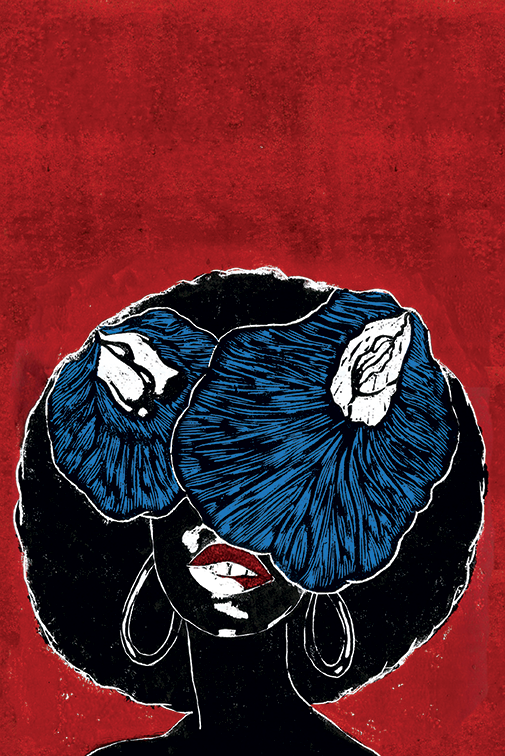
ختاماً، يأتي الانفجار في جزء ’الحواس كافة‘ (All Senses) حيث النصوص تمزج المشاعر لتبدو كحالة تأهّب لنصل إلى اللذة القصوى، إلى النشوة.
طبعاً، لا شيء يفصل بوضوح بين هذه القصائد والحكايات. بعضها رقيقٌ بتلميحه. الإثارة تُشغِل الحواس كافّة، والأهمّ أنّها تُشغِل الرأس، فهُنا مقام كلّ ما يحدث والجسد بكامله يستجيب. لقد نظَّمتُ القصائد وفقاً لما أثارته فيّ عند قراءتها، ولكم الحريّة في مخالفة رأيي هذا. لكن بالنسبة لي، الرغبة تنبع من حاسّة معيّنة ومن ثم تنفجر، وثمّة لذّة في تتبّع مسار الرغبة وتحديد أيٍّ من الحواس استقلّت.
إنّ القدرة على تحويل الإثارة إلى فنّ تعني تحرير أنفسِنا من الأحكام المسبقة والسجون ووصمات العار كلّها التي حبَسَنا فيها هذا المجتمع المُتمَحوِر حول العرق الأبيض.
كلّما تقوم كاتبة سوداء بتحويل الشبقيّ إلى فنّ فهي تخلع السلاسل العنصرية المؤذية التي تشلّ جسدها وتقمع جنسانيتها وتجعل منّا غرضاً لجشع الآخرين. إنّ كتابة الشعر الشبقيّ هي استعادة لسلطتها على جسدها وهي التنقّل بلا خوف بين ملذّات الرغبة من أجل ذاتها ومن أجل الآخرين ومن أجل الحياة.
الكتابات الأدبية الشبقيّة هي نحن عندما نتّخذ الشكل الفنّي. الشكل الذي يتيح لنا إظهار أفضل ما لدينا وآرائنا في الحبّ الملأى لذّة والمتبّلة بشهوة أجسادنا والتي تُترجَم عبر وَعْينا الفنّي. نحن متنوّعات، وهنا نشارككم هذا التنوّع في الأحاسيس عبر الكلمات المُشبَعَة إثارة. صحيح، حتّى كلماتنا ترشَح برغبتنا الجنسية وترطّب آياتنا وتجعل من شهواتنا قصائدَ. النشوة، بالنسبة لنا، إنجاز.
أن تكون عقولنا وأجسادنا وجنسانياتنا سوداء هو أمرٌ ضروري لاستئناف لذّتنا واستعادة نشوتنا. عندها فحسب نصير أحراراً. هذه العملية برمّتها إنجازٌ وهي لا تخلو من الألم. لكنّه من المفرح أن نجد أنفسنا في مكان مختلف جداً عن حيث تمّ وضعنا.
أشعر أنّي لكنّ/لكم، أنّي لنا. تذوّقوا هذه الكلمات العذبة معنا، تلذّذوا بها، ولْتَكُن وليمة.
هذا النص مقتبس من مقدمة كتاب «O Livro Negro Dos Sentidos» وهي تشكيلة قصائد شبقيّة لثلاثٍ وعشرين كاتبة سوداء.

This journal edition in partnership with Kohl: a Journal for Body and Gender Research, will explore feminist solutions, proposals and realities for transforming our current world, our bodies and our sexualities.
نصدر النسخة هذه من المجلة بالشراكة مع «كحل: مجلة لأبحاث الجسد والجندر»، وسنستكشف عبرها الحلول والاقتراحات وأنواع الواقع النسوية لتغيير عالمنا الحالي وكذلك أجسادنا وجنسانياتنا.
¿Qué significa un Foro de AWID para las personas que estuvieron ahí? ¿Qué es esta magia que sucede cuando feministas de todo el mundo se reúnen para celebrar, elaborar estrategias, aprender y compartir la alegría?
AWID habló con más de cuarenta participantes del Foro para oír sus historias de las transformaciones que experimentaron ellxs mismxs como activistas, y que también cambiaron a sus organizaciones y a los movimientos a los que pertenecen. También aprendimos sobre qué cosas deberíamos mantener y desarrollar para que un Foro de AWID sea diferente, y de qué manera podemos mejorar.
Este informe contiene aprendizajes y consejos invaluables para cualquier persona que quiera organizar encuentros presenciales regionales y temáticos, y para nosotrxs en nuestro trabajo de planificación del 15° Foro Internacional de AWID.
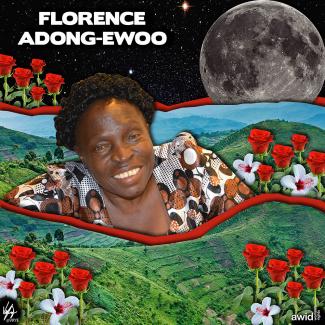
Florence was a disability rights activist who worked with several disabled women’s organizations in Uganda.
She also held the position of Chairperson of the Lira District Disabled Women Association, as well as the Lira District Women Councilors’ caucus. Trained as a counsellor for persons with disabilities and parents of children with disabilities, she supported many projects that called for greater representation of persons with disabilities.
She died of a motorcycle accident.
by Gabriela Estefanía Riera Robles
Juliana. How I would love to be called Juliana! The name is full of power and presence, full of force and vehemence. (...)
< artwork by Borislava Madeit and Stalker Since 1993
Apprenez-en davantage sur les prochains événements CSW69 co-organisés par l'AWID ci-dessous