Jean-Marc Ferré | Flickr (CC BY-NC-ND 2.0)
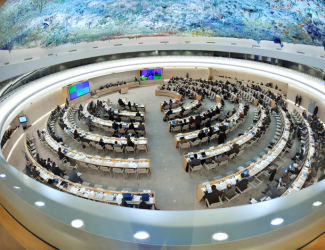
A general view of participants at the 16th session of the Human Rights Council in Geneva, Switzerland.

Human Rights Council (HRC)

The Human Rights Council (HRC) is the key intergovernmental body within the United Nations system responsible for the promotion and protection of all human rights around the globe. It holds three regular sessions a year: in March, June and September. The Office of the UN High Commissioner for Human Rights (OHCHR) is the secretariat for the HRC.

The HRC works by:

  • Debating and passing resolutions on global human rights issues and human rights situations in particular countries

  • Examining complaints from victims of human rights violations or activist organizations on behalf of victims of human rights violations

  • Appointing independent experts (known as “Special Procedures”) to review human rights violations in specific countries and examine and further global human rights issues

  • Engaging in discussions with experts and governments on human rights issues

  • Assessing the human rights records of all UN Member States every four and a half years through the Universal Periodic Review

Learn more about the HRC


AWID works with feminist, progressive and human rights partners to share key knowledge, convene civil society dialogues and events, and influence negotiations and outcomes of the session.

With our partners, our work will:

◾️ Monitor, track and analyze anti-rights actors, discourses and strategies and their impact on resolutions

◾️ Raise awareness of the findings of the 2017 and 2021 OURs Trends Reports.

◾️Support the work of feminist UN experts in the face of backlash and pressure

◾️Advocate for state accountability
 
◾️ Work with feminist movements and civil society organizations to advance rights related to gender and sexuality.
 

Related Content

Body

The Feminist Realities Magazine

The Feminist Realities Magazine

We bring you an inspiring curated collection of powerful stories and images of transformation and resistance created by feminist activists, writers and artists from all over the world.

Explore the magazine


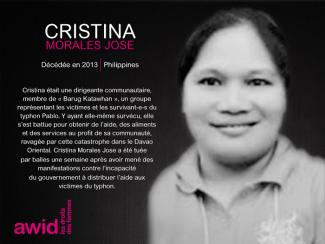
Riham Al-Bader

Riham était avocate et activiste engagée à suivre de près la question des violations des droits au Yémen.

Elle a travaillé avec d'autres activistes pour fournir de la nourriture et de l'eau aux civils piégés par les milices houthies dans la banlieue de la ville de Taiz.

Riham a été tuée en février 2018. La cause de son décès, soit par la main d’un tireur d'élite ou par un tir de mortier, n’a pas été confirmée. Personne n'a été tenu responsable de son meurtre.
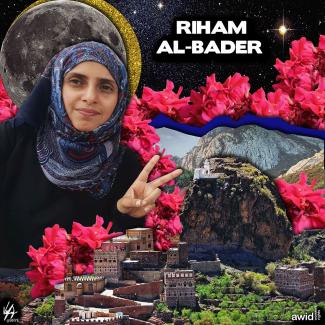
 

Riham Al Bader, Yemen

Snippet FEA HEALTH CONDITIONS (ES)

Ilustración de una persona de piel blanca con uniforme amarillo de enfermera con estetoscopio en la mano,

BUENAS CONDICIONES DE SALUD

Будет ли у меня возможность поделиться мыслями по вопросам, которые не учтены в опросе?

Да, в конце опроса мы попросим вас поделиться более подробной информацией по важным для вас аспектам, ответив на открытые вопросы.

Body

Aquí están tu guía práctica y las infografías «Hacia un ecosistema de financiamiento feminista»

Reason to join 3

Comparte tus historias y conoce las de otrxs. Al conectar nuestras experiencias, relatos y propuestas ayudamos a crear en conjunto y amplificar las Realidades Feministas.

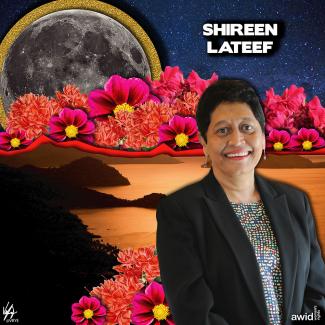
Shireen Lateef

Shireen was an inspiration to many feminists in Fiji and a powerful ally to the women’s movement. She advocated tirelessly for gender equality locally and regionally.

She began her career as a junior gender specialist at the Asian Development Bank and brought about drastic changes to the institution’s gender policies.

Her research, “Rule by the Danda: Domestic violence amongst Indo Fijians” was one of the earliest pieces of research on domestic violence, marriage and women in Fiji. This seminal work has been a catalyst for feminist work in this area.

Shireen’s legacy lives on as many remember her influence, commitment and support to the women’s movement in Fiji and the Pacific.


Shireen Lateef, Fiji

Snippet FEA WE ARE LEGAL AND ALWAYS WERE (FR)

Espagne

Syndicat OTRAS


NOUS SOMMES LÉGAL·ES

ET L’AVONS TOUJOURS ÉTÉ

Como é que os dados recolhidos através do questionário serão divulgados e processados?

Os dados serão processados para fins estatísticos para esclarecer o estado de financiamento dos movimentos feministas globalmente e serão divulgados apenas em forma agregada. A AWID não divulgará informações sobre uma organização específica ou informações que permitam identificar uma organização através da respetiva localização ou características sem o respetivo consentimento comprovado.

Avertissement : communication avec l’équipe de l’AWID

Si vous recevez des emails d’une personne de l’équipe de l’AWID, nous aimerions que vous preniez en compte les points suivants : 

  • L’information contenue dans cette communication est confidentielle et exclusivement destinée à la personne à qui elle s’adresse.

  • Cette communication peut contenir des informations dont l’Association pour les Droits des Femmes dans le Développement (AWID) est propriétaire, et qui ne peuvent être reproduites ou partagées, en totalité ou en partie, sans le consentement écrit de l’AWID.

  • L’AWID ne garantit pas que toutes les informations contenues ici soient complètes ou correctes. Cette communication n’est ni une offre pour conclure un accord ni une confirmation d’accord présenté ici, sauf si le contexte l’indique clairement. 

  • L’AWID ne vous conseillera pas vis-à-vis d’un accord pouvant être proposé ici. Cette communication ne constitue en rien une recommandation, une orientation ou une proposition pour conclure un quelconque accord.   

  • L’AWID ne garantit en aucun cas les résultats attendus d’un accord. Cette communication peut contenir des perspectives et des opinions qui ne reflètent pas nécessairement celles de l’AWID.

  • Vous ne pouvez pas vous fier aux informations contenues dans cette communication dans l’optique de conclure un accord proposé ou autre. 

Values - intersectionality

Intersectionnalité

nous estimons que pour être transformateurs et forts, les mouvements féministes doivent continuer à travailler au-delà de leurs similitudes et de leurs différences. Nous devons également interroger le pouvoir et les privilèges, tant au sein qu'à l'extérieur de nos mouvements.

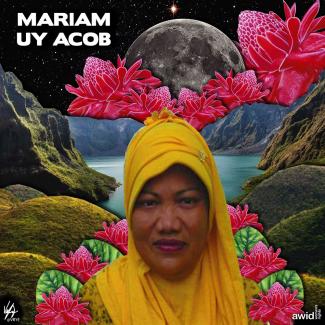
Mariam Uy Acob

Mariam era asistente jurídica en la Alianza Kawagib Moro por los Derechos Humanos.

Fue una acérrima crítica de la militarización de las comunidades moro, y denunció sistemáticamente los bombardeos aéreos y la concentración de campamentos militares. Tuvo que buscar refugio luego de exponer y denunciar las injusticias cometidas contra las comunidades musulmanas en Filipinas.

Se cree que fue asesinada por agentes militares sospechosos debido a su trabajo como defensora de derechos humanos. Los atacantes que mataron a Mariam la esperaron, se pusieron a la par del vehículo en el que se desplazaba y le dispararon siete veces.


Mariam Uy Acob, Philippines

Snippet FEA Unio Otras Photo 3 (EN)

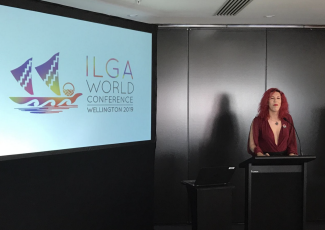
Photo of Sabrina Sanchez speaking next to a screen on Ilga World meeting