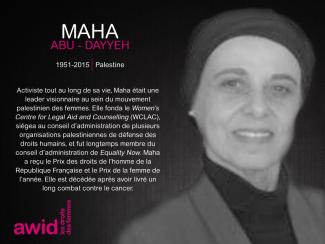
Maha Abu-Dayyeh
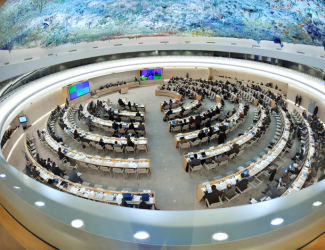
The Human Rights Council (HRC) is the key intergovernmental body within the United Nations system responsible for the promotion and protection of all human rights around the globe. It holds three regular sessions a year: in March, June and September. The Office of the UN High Commissioner for Human Rights (OHCHR) is the secretariat for the HRC.
Debating and passing resolutions on global human rights issues and human rights situations in particular countries
Examining complaints from victims of human rights violations or activist organizations on behalf of victims of human rights violations
Appointing independent experts (known as “Special Procedures”) to review human rights violations in specific countries and examine and further global human rights issues
Engaging in discussions with experts and governments on human rights issues
Assessing the human rights records of all UN Member States every four and a half years through the Universal Periodic Review
AWID works with feminist, progressive and human rights partners to share key knowledge, convene civil society dialogues and events, and influence negotiations and outcomes of the session.
Manal Tamimi Palestine
Bubulina Moreno, Colombia
Karolina Więckiewicz, Poland
Anwulika Ngozi Okonjo, Nigeria
Êtes-vous à la recherche d'un emploi? L'un des avantages de rejoindre la Communauté de l'AWID est d'avoir accès à notre tableau d'offres d'emploi organisé par la communauté. Vous aurez l'occasion d'explorer de nouvelles opportunités et vous aurez également la possibilité de partager des postes vacants et des appels à propositions avec tous les membres.
Nombre d’hommes qui partagent notre engagement vis-à-vis du féminisme et des droits humains des femmes sont membres de l’AWID.
 |
Le rassemblement comme plaisir :
|
As part of our commitment to engage more deeply with artists and the practice of co-creating Feminist Realities, AWID collaborated with an Artist Working Group to advance and strengthen feminist agendas and realities in their communities and movements through their creative expression. Our intention here is to bring feminist creatives together in a powerful and brave space where they grow and live freely, and where they shatter toxic narratives to replace them with transformative alternatives.
✉️ In-person registration is now closed. Sign up for the livestream here
📅 Wednesday, March 12, 2025
🕒 12.00-1.30pm EST
🏢 UNDP, 304 E 45th St. Doha Room, 11th Floor (FF Building)
Organizers: UNDP, Femena, SRI and AWID
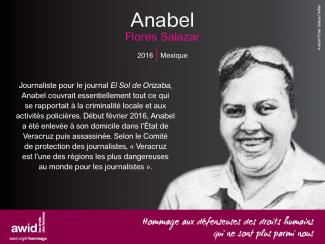
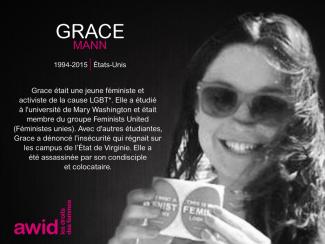
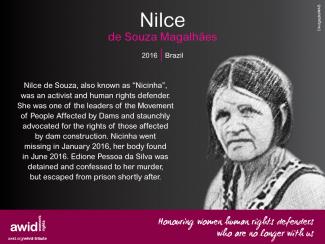
Conférence internationale de suivi sur le financement du développement, Doha, Qatar
Durante décadas, lxs investigadorxs y activistas feministas han articulado conceptos importantes en relación al género para entender y cuestionar la opresión y la discriminación. Ahora, esos conceptos se han convertido en el blanco de los actores anti-derechos, quienes afirman que los roles de género patriarcales y opresivos son de «sentido común» y, estratégicamente, presentan a todas las otras ideas, normas culturales y formas de vida social como una peligrosa ideología conspirativa.
Lee nuestro resumen Narrativas sobre la «Ideología de género»: Una amenaza para los derechos humanos