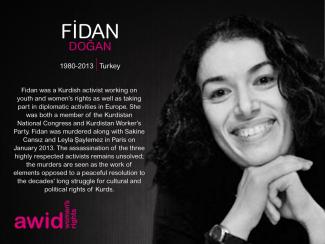
Fidan Dogan
WHRDs are self-identified women and lesbian, bisexual, transgender, queer and intersex (LBTQI) people and others who defend rights and are subject to gender-specific risks and threats due to their human rights work and/or as a direct consequence of their gender identity or sexual orientation.
WHRDs are subject to systematic violence and discrimination due to their identities and unyielding struggles for rights, equality and justice.
The WHRD Program collaborates with international and regional partners as well as the AWID membership to raise awareness about these risks and threats, advocate for feminist and holistic measures of protection and safety, and actively promote a culture of self-care and collective well being in our movements.
WHRDs are exposed to the same types of risks that all other defenders who defend human rights, communities, and the environment face. However, they are also exposed to gender-based violence and gender-specific risks because they challenge existing gender norms within their communities and societies.
We work collaboratively with international and regional networks and our membership
We aim to contribute to a safer world for WHRDs, their families and communities. We believe that action for rights and justice should not put WHRDs at risk; it should be appreciated and celebrated.
Promoting collaboration and coordination among human rights and women’s rights organizations at the international level to strengthen responses concerning safety and wellbeing of WHRDs.
Supporting regional networks of WHRDs and their organizations, such as the Mesoamerican Initiative for WHRDs and the WHRD Middle East and North Africa Coalition, in promoting and strengthening collective action for protection - emphasizing the establishment of solidarity and protection networks, the promotion of self-care, and advocacy and mobilization for the safety of WHRDs;
Increasing the visibility and recognition of WHRDs and their struggles, as well as the risks that they encounter by documenting the attacks that they face, and researching, producing, and disseminating information on their struggles, strategies, and challenges:
Mobilizing urgent responses of international solidarity for WHRDs at risk through our international and regional networks, and our active membership.
We bring you an inspiring curated collection of powerful stories and images of transformation and resistance created by feminist activists, writers and artists from all over the world.
أكيد. سيتم محي اجوبتك بعد عملية معالجة المعطيات وتحليلها وسيتم استعمالها لأهداف بحثية فقط. لن تتم أبداً مشاركة المعطيات خارج AWID وسيتم معالجتها فقط عن طريق طاقم AWID والمستشارات/ين اللواتي/ اللذين يعملن/وا في مشروع "أين المال" معنا. خصوصيتكم/ن وسرّيتكم/ن هي في أعلى سلم أولوياتنا. سياسة الخصوصية متواجدة هنا.
The #MeToo movement in China was ignited in January 2018, impelled by the momentum of the #MeToo movement around the globe. The movement was a response to cultural and systemic problems in relation to gender and power within China. The foundation of the movement was laid over decades, with many years of debate and advocacy for gender equality finally erupting into a tremendous force across society. #MeToo has been driven mainly by young people, among whom are countless anonymous women and their allies, and they search for opportunities to realize the ultimate “Chinese Dream”: to transform China into a country with gender equality.
The environment for #MeToo movement is extremely adverse in China: the rule of law, the fairness and transparency of government action, and freedom of speech cannot be taken for granted by the movement in China but are the very goals it fights for. From the beginning, it has been an intense struggle, with every victim or activist who comes forward running tremendous risks. From being silenced, humiliated, or retaliated against, to having their safety jeopardized, every success of the #MeToo movement has been won by those who are courageous enough to bear the costs of speaking out and defying censorship.
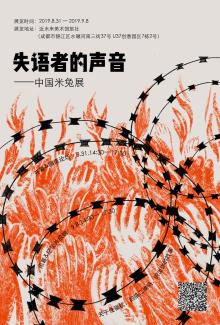
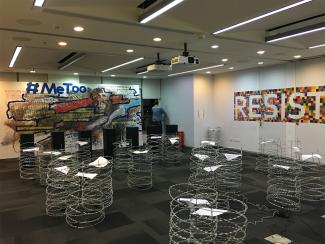
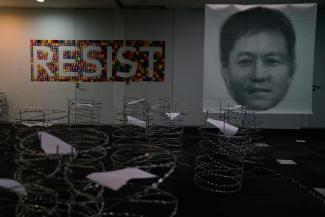
#MeToo in China Exhibition was first held in 2019 and toured in 5 cities. The aim of the exhibition is to bring the personal experiences of the victims and activists to greater prominence and, through engagement with these stories, to inspire our audience to join in the fight. The exhibition has itself become a part of the #MeToo struggle—the exhibition has been beset by challenges on its tour throughout China, on more than one occasion even facing closure.
La Conferencia de Monterrey sobre la Financiación para el Desarrollo marcó el comienzo de las conversaciones acerca de una agenda de Financiación para el Desarrollo.
Para saber más sobre los seis temas centrales de Monterrey los mecanismos de seguimiento a esta conferencia, consulta Género y financiación para el desarrollo, de Maria Floro, Nilufer Çagatay, John Willoughby y Korkut Ertürk (INSTRAW, 2004).
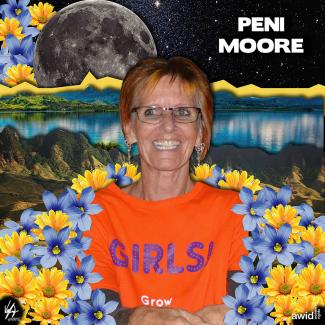
Philosophe féministe radicale, Peni était aussi poète, écrivaine, dramaturge et compositrice.
Première coordinatrice du Fiji Women’s Rights Movement (Mouvement pour les droits des femmes aux Fidji), elle a laissé un héritage empreint de sa profonde préoccupation pour les droits fondamentaux des femmes, la justice et la paix. L’engagement de Peni en faveur de la justice sociale, économique et écologique et son travail remarquable lui a valu le respect de la communauté locale et internationale. Au sein des mouvements féministes traditionnels des Fidji, elle a été l’une des premières à travailler avec et aux côtés des personnes LGBTQI et a fourni une assistance concrète au mouvement des travailleurs et des travailleuses du sexe lorsqu’il s’est constitué aux Fidji.
Ses collègues l'ont décrite comme une personne formidable et une leader visionnaire du changement. Elle a inspiré beaucoup de personnes par sa créativité et son courage. Son travail a permis à de nombreuses personnes de se faire entendre, d’acquérir de nouvelles compétences et d’ouvrir de nouvelles voies, tant au niveau personnel que communautaire.
Comparte tus historias y conoce las de otrxs. Al conectar nuestras experiencias, relatos y propuestas ayudamos a crear en conjunto y amplificar las Realidades Feministas.
Опрос будет доступен до конца августа 2024 года. Пожалуйста, заполните его в течение этого срока, чтобы ваши ответы были включены в анализ.
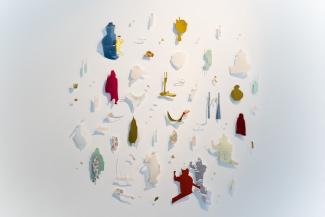
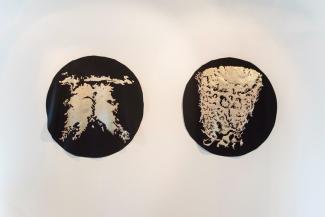
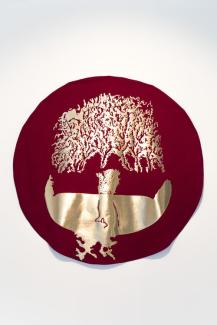
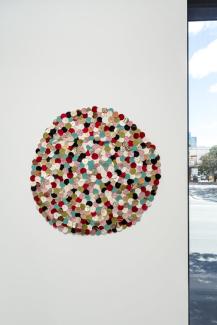
Una exposición de Nicole Barakat que encarna su reconexión con los objetos de la diáspora de sus tierras ancestrales en la región del Sudoeste Asiático y África del Norte (SWANA, por sus siglas en inglés).
Barakat presenta una colección de obras textiles como manifestaciones de su práctica de conectarse con los objetos desplazados, y a menudo robados, que son exhibidos en colecciones de museos occidentales que incluyen el Museo del Louvre de París, el Museo Británico de Londres y el Nicholson Museum de Sydney.
Para burlar a los guardianes y fisurar las vitrinas que retienen estos objetos ancestrales, Barakat recupera formas de conocimiento precoloniales, no lineales y receptivas que son, a menudo, devaluadas y desestimadas por las instituciones coloniales y patriarcales, utilizando la adivinación con la borra del café, el trabajo con los sueños, la escucha intuitiva y las conversaciones con los objetos mismos (fuente).
La Conférence des Nations Unies de 2009 sur la crise financière et économique mondiale et son incidence sur le développement
Syndicat OTRAS
Samira was a Syrian activist under Bashar al-Asad's regime.
From a young age Samira opposed all forms of despotism, particularly vis-a-vis the authoritarian regime in which she lived.
Samira was kidnapped in 2013 along with three other prominent activists. She is believed to have been taken from the Center for the Documentation of Violations in Duma, in rural Damascus.
The main suspect associated with her disappearance is the Army of Islam (which denies its involvement). There has been no formal investigation of Samira’s disappearance and she has not been heard from since. Samira was committed to her country and refused to leave Syria until she felt her role in empowering women and documenting crimes was no longer necessary.

nous estimons que pour être transformateurs et forts, les mouvements féministes doivent continuer à travailler au-delà de leurs similitudes et de leurs différences. Nous devons également interroger le pouvoir et les privilèges, tant au sein qu'à l'extérieur de nos mouvements.
Building on our 20-year history of mobilizing more and better funding for feminist-led social change, AWID invites you to complete the new iteration of our flagship survey, WITM.
À la Commission africaine et au Système interaméricain, les antidroits promeuvent les notions essentialistes de culture et de genre pour miner les avancées en matière de droits et décrédibiliser la redevabilité. Les antidroits gagnent en influence dans les systèmes de protection des droits humains régionaux et internationaux.
La Commission africaine des droits de l’Homme et des peuples commence à présenter les droits des femmes et droits sexuels comme mettant en danger sa capacité à adresser les « droits réels » et contraires aux « valeurs africaines », un précédent inquiétant à l’égard des droits. Le retrait de son statut d’observatrice à la Coalition des lesbiennes africaines est un exemple de cette tendance, et traduit la répression de l’engagement féministe panafricaniste.
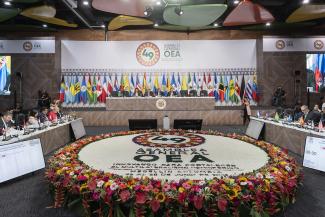
Au sein de l’Organisation des États américains (OEA) et du Système interaméricain de protection des droits humains, les stratégies antidroits incluent l’ONGisation de groupes religieux, l’adoption d’un langage séculier et la prise de contrôle de cadres discriminatoires. L’influence antidroits a pris plusieurs formes, et notamment l’intimidation d’activistes trans et l’entrave à l’introduction d’un langage progressif dans les résolutions.
Release of the Zero-Draft Outcome Document, March 2015