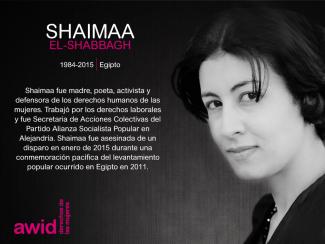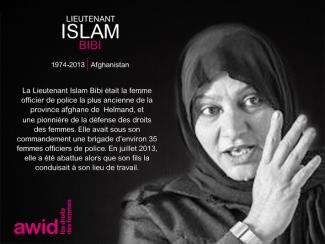
Islam Bibi
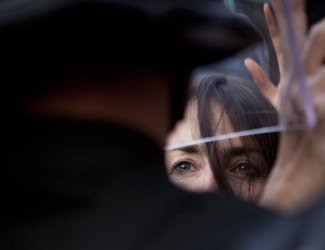
WHRDs are self-identified women and lesbian, bisexual, transgender, queer and intersex (LBTQI) people and others who defend rights and are subject to gender-specific risks and threats due to their human rights work and/or as a direct consequence of their gender identity or sexual orientation.
WHRDs are subject to systematic violence and discrimination due to their identities and unyielding struggles for rights, equality and justice.
The WHRD Program collaborates with international and regional partners as well as the AWID membership to raise awareness about these risks and threats, advocate for feminist and holistic measures of protection and safety, and actively promote a culture of self-care and collective well being in our movements.
WHRDs are exposed to the same types of risks that all other defenders who defend human rights, communities, and the environment face. However, they are also exposed to gender-based violence and gender-specific risks because they challenge existing gender norms within their communities and societies.
We work collaboratively with international and regional networks and our membership
We aim to contribute to a safer world for WHRDs, their families and communities. We believe that action for rights and justice should not put WHRDs at risk; it should be appreciated and celebrated.
Promoting collaboration and coordination among human rights and women’s rights organizations at the international level to strengthen responses concerning safety and wellbeing of WHRDs.
Supporting regional networks of WHRDs and their organizations, such as the Mesoamerican Initiative for WHRDs and the WHRD Middle East and North Africa Coalition, in promoting and strengthening collective action for protection - emphasizing the establishment of solidarity and protection networks, the promotion of self-care, and advocacy and mobilization for the safety of WHRDs;
Increasing the visibility and recognition of WHRDs and their struggles, as well as the risks that they encounter by documenting the attacks that they face, and researching, producing, and disseminating information on their struggles, strategies, and challenges:
Mobilizing urgent responses of international solidarity for WHRDs at risk through our international and regional networks, and our active membership.
Samira était une activiste syrienne sous le régime de Bachar al-Asad.
Dès son plus jeune âge, Samira s'est opposée à toutes les formes de despotisme et en particulier au régime autoritaire dans lequel elle vivait. Samira a été kidnappée en 2013 avec trois autres activistes de premier plan. Elle aurait été enlevée au Centre de documentation sur les violations à Douma, une ville située en périphérie rurale de Damas.
Le principal suspect associé à sa disparition est le groupe rebelle syrien Jaych al-Islam (l'armée de l'islam), qui nie son implication. Aucune enquête officielle n’a été ouverte sur la disparition de Samira et elle n’a plus donné de nouvelles depuis lors. Samira était attachée à son pays et refusait de quitter la Syrie tant qu'elle estimait que son rôle en faveur de l'émancipation des femmes et la documentation des crimes était utile et nécessaire.

O nosso objetivo é alcançar um total de 2000 respostas, quase o dobro do último questionário WITM em 2011.
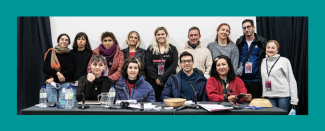
Este Foro de AWID celebrará y difundirá las realidades feministas que nos rodean en diferentes etapas de desarrollo.
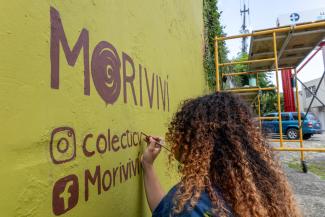
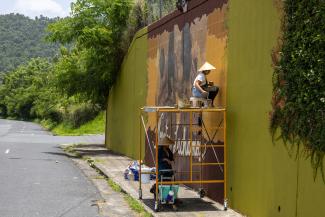
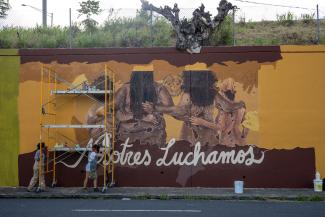
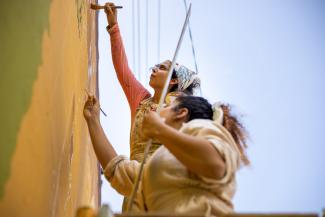
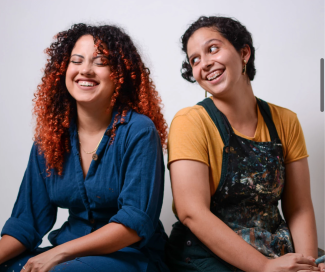
Colectivo Moriviví est un collectif artistique de femmes. Notre production artistique comprend du muralisme, du muralisme communautaire et des performances/actions de manifestation. Notre travail consiste à démocratiser l'art et à amener les récits des communautés portoricaines dans la sphère publique afin de créer des espaces où ils seront validés. Nous croyons qu’à travers l'artivisme, nous pouvons promouvoir la sensibilisation aux questions sociales et renforcer notre mémoire collective.
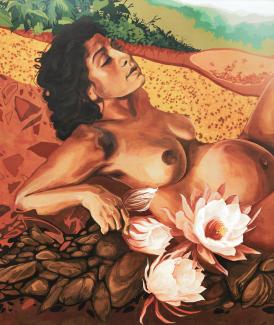
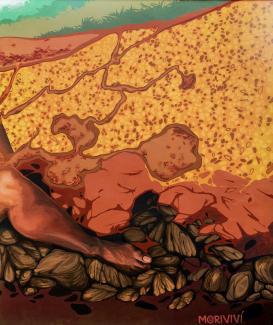
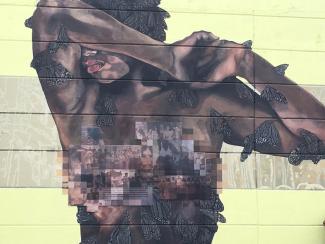
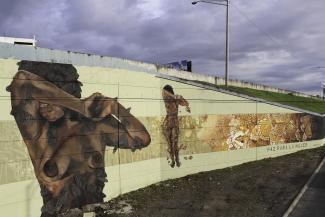
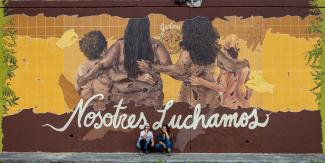
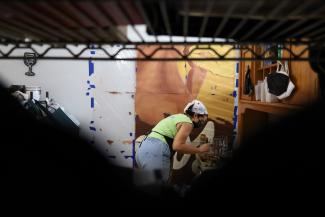
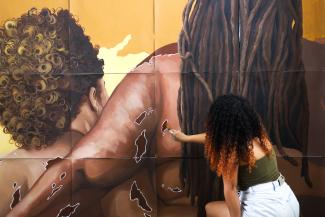
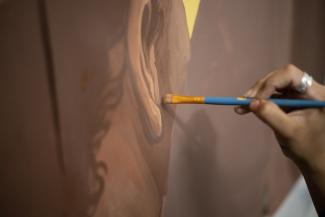
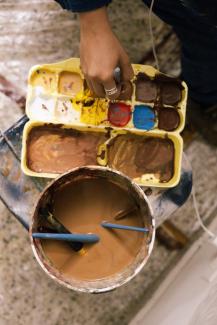
Dans le cadre de sa participation au Groupe de Travail d’Artistes d'AWID, le Colectivo Moriviví a réuni un groupe divers de membres, partenaires et personnel pour faciliter un processus collaboratif visant à imaginer, documenter et déterminer le contenu d'une fresque communautaire par le biais d'un processus de co-création en plusieurs étapes. Le projet a commencé par une conceptualisation à distance avec des féministes de différentes régions du monde réuni·e·s par l'AWID, avant d'évoluer vers sa re-contextualisation et sa réalisation à Porto Rico. Nous avons eu l'honneur de bénéficier de la contribution des artistes locaux·ales Las Nietas de Nonó(@lasnietasdenono), de la participation des femmes locales à la session de peinture communautaire, du soutien logistique de la municipalité de Caguas et du soutien supplémentaire du FRIDA | The Young Feminist Fund.
La fresque explore la transcendance des frontières en présentant les corps tels des cartes, dans une étreinte qui met en évidence l'intersection des différentes manifestations, pratiques et réalités féministes.
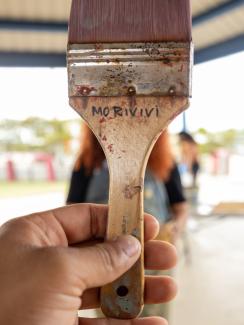
Nous remercions également Kelvin Rodríguez, qui a documenté et capturé les différentes étapes de ce projet à Porto Rico :
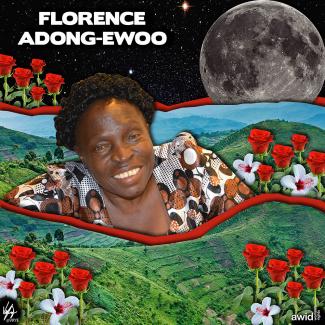
Florence was a disability rights activist who worked with several disabled women’s organizations in Uganda.
She also held the position of Chairperson of the Lira District Disabled Women Association, as well as the Lira District Women Councilors’ caucus. Trained as a counsellor for persons with disabilities and parents of children with disabilities, she supported many projects that called for greater representation of persons with disabilities.
She died of a motorcycle accident.

Nous tenons à remercier les personnes qui ont contribué à ce projet et qui ont fourni de précieux conseils :
In the African Commission and the Inter-American System, anti-rights actors push essentialist notions of culture and gender to hamper progress on rights and undermine accountability. As we see, anti-rights actors are exerting influence in regional human rights systems, as well as international spaces.
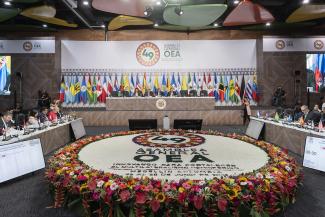
The African Commission on Human and Peoples' Rights has begun framing women’s and sexual rights as jeopardising its ability to deal with “real rights” and contrary to “African values”, setting a worrying anti-rights precedent. The withdrawal of the Coalition of African Lesbians’ observer status is an example of this trend, and points to the way space for feminist, Pan-Africanist engagement is being stifled.
In the Organization of American States (OAS) and the Inter-American Human Rights System, anti-rights strategies include the NGOization of religious groups, the use of secular discourses, and the co-optation of discrimination frameworks. Anti-rights influence has materialized in a number of ways, including the intimidation of trans activists and the blocking the introduction of progressive language in resolutions.
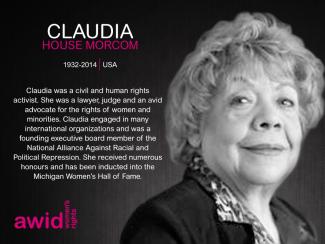
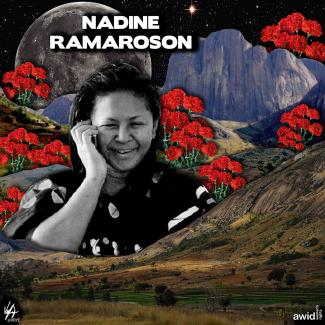
Nadine fue un ejemplo para muchxs por su trabajo en apoyo de las mujeres y lxs más vulnerables de su comunidad. Estaba comprometida con ayudar a l pobres, especialmente a las personas sin techo.
Aunque su muerte se informó como accidente, la familia Ramaroson, encabezada por su padre, André Ramaroson, llevó adelante una investigación que arrojó evidencias de que había sido asesinada. Se informó que había muerto en un accidente fatal ocurrido entre Soanierano - Ivongo y Ste Marie, una historia que fue desmentida por su familia. Ella había recibido numerosas amenazas de muerte por sus audaces posiciones políticas. Su caso todavía está en la corte de Antananarivo (la capital de Madagascar).
Listen to this story here:
by Maryum Saifee
When you do a search for “Female Genital Mutilation” or “FGM” online, an image of four line-drawings of the female anatomy pop up next to its Wikipedia entry. (...)
artwork: “Dreams” by Neesa Sunar >