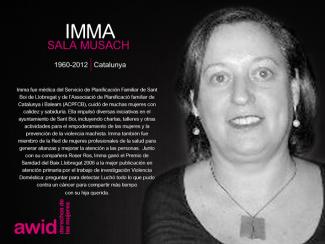
Imma Sala
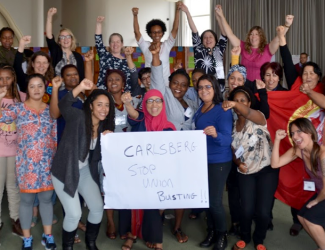
Women human rights defenders (WHRDs) worldwide defend their lands, livelihoods and communities from extractive industries and corporate power. They stand against powerful economic and political interests driving land theft, displacement of communities, loss of livelihoods, and environmental degradation.
Extractivism is an economic and political model of development that commodifies nature and prioritizes profit over human rights and the environment. Rooted in colonial history, it reinforces social and economic inequalities locally and globally. Often, Black, rural and Indigenous women are the most affected by extractivism, and are largely excluded from decision-making. Defying these patriarchal and neo-colonial forces, women rise in defense of rights, lands, people and nature.
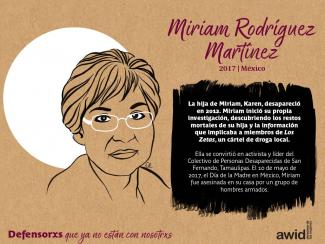
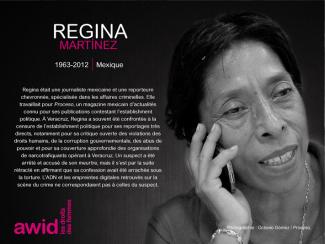
WHRDs confronting extractive industries experience a range of risks, threats and violations, including criminalization, stigmatization, violence and intimidation. Their stories reveal a strong aspect of gendered and sexualized violence. Perpetrators include state and local authorities, corporations, police, military, paramilitary and private security forces, and at times their own communities.
AWID and the Women Human Rights Defenders International Coalition (WHRD-IC) are pleased to announce “Women Human Rights Defenders Confronting Extractivism and Corporate Power”; a cross-regional research project documenting the lived experiences of WHRDs from Asia, Africa and Latin America.
"Women Human Rights Defenders confronting extractive industries: an overview of critical risks and Human Rights obligations" is a policy report with a gender perspective. It analyses forms of violations and types of perpetrators, quotes relevant human rights obligations and includes policy recommendations to states, corporations, civil society and donors.
"Weaving resistance through action: Strategies of Women Human Rights Defenders confronting extractive industries" is a practical guide outlining creative and deliberate forms of action, successful tactics and inspiring stories of resistance.
The video “Defending people and planet: Women confronting extractive industries” puts courageous WHRDs from Africa, Asia, and Latin America in the spotlight. They share their struggles for land and life, and speak to the risks and challenges they face in their activism.
Challenging corporate power: Struggles for women’s rights, economic and gender justice is a research paper outlining the impacts of corporate power and offering insights into strategies of resistance.
AWID acknowledges with gratitude the invaluable input of every Woman Human Rights Defender who participated in this project. This project was made possible thanks to your willingness to generously and openly share your experiences and learnings. Your courage, creativity and resilience is an inspiration for us all. Thank you!
ندعوك للتواصل معنا بشأن طرق المشاركة الهادفة في المنتدى.
Conferencia Internacional de Seguimiento sobre la Financiación para el Desarrollo, Doha, Qatar
سيقدم صندوق الوصول الخاص بنا عددًا محدودًا من المنح الدراسية لتمويل مشاركة النشطاء/ الناشطات الذين/ اللواتي لا يستطيعون القيام بذلك، وليس لديهم/ن علاقات مع الممولين/ات الذين/ اللواتي يمكنهم/ن تغطية مشاركتهم/ن. لذلك إذا كان لديك احتمالات أخرى، يرجى استكشافها. سنبذل قصارى جهدنا لتقديم أكبر عدد ممكن من المنح الدراسية، وسنشارك المزيد من المعلومات حول هذه العملية وكيفية التقديم لاحقًا في أوائل العام 2024.
Kay Thi Win, Asia Pacific Network of Sex Workers (APNSW)
Thin Pa Pa Htun, Aye Myanmar Association
Xiao Shuang, Northeast Transgender Support Network
Cathy Ketepa, Friends Frangipani Inc. PNG
Rajeshwari Prajapati, Society for Women Awareness Nepal (SWAN)
Lancement du processus préparatoire intergouvernemental de la troisième Conférence sur le financement du développement, octobre 2014
نعم من فضلك. لقد تغير العالم منذ عام 2021 ونحن ندعوك لتقديم مقترح يعكس واقعك وأولوياتك الحالية.
Related Content
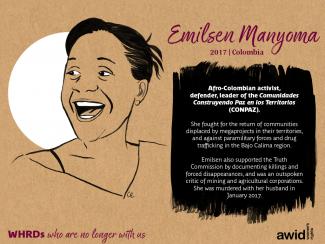
Front Line Defenders: Emilsen Manyoma Killed
ReliefWeb: A human rights defender killed every other day in 2017 in Colombia (between 1 and 23 January 2017)
Global Witness: Defenders of the Earth (2016 Report)
okayafrica.: Who is Killing Colombia's Black Human Rights Activists?
PBI Colombia: We will always accompany your work
Bitch Media: Don’t Touch My Crown: The failure of decapitation and the power of black women’s resistance
Further drafting sessions on the Addis Ababa outcome document
Learn more from the CSO Hitchhiker’s Guide
มี! ขณะนี้พวกเรากำลังค้นหานวัตกรรมทางเทคโนโลยีที่จะช่วยให้เกิดการเชื่อมต่อและการเข้าร่วมอย่างมีความหมาย