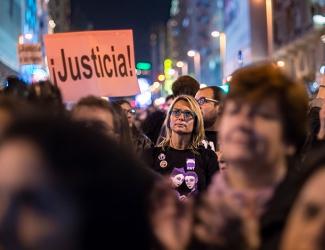









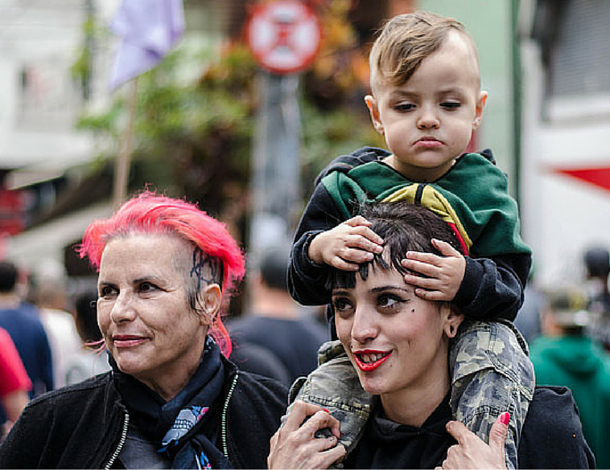
Adolfo Lujan | Flickr (CC BY-NC-ND 2.0)
Mass demonstration in Madrid on International Women's Day
Multitudinaria manifestación en Madrid en el día internacional de la mujer

Priority Areas

Supporting feminist, women’s rights and gender justice movements to thrive, to be a driving force in challenging systems of oppression, and to co-create feminist realities.

Advancing Universal Rights and Justice

Uprooting Fascisms and Fundamentalisms

Across the globe, feminist, women’s rights and gender justice defenders are challenging the agendas of fascist and fundamentalist actors. These oppressive forces target women, persons who are non-conforming in their gender identity, expression and/or sexual orientation, and other oppressed communities.


Discriminatory ideologies are undermining and co-opting our human rights systems and standards,  with the aim of making rights the preserve of only certain groups. In the face of this, the Advancing Universal Rights and Justice (AURJ) initiative promotes the universality of rights - the foundational principle that human rights belong to everyone, no matter who they are, without exception.

We create space for feminist, women’s rights and gender justice movements and allies to recognize, strategize and take collective action to counter the influence and impact of anti-rights actors. We also seek to advance women’s rights and feminist frameworks, norms and proposals, and to protect and promote the universality of rights.


Our actions

Through this initiative, we:

  • Build knowledge: We support feminist, women’s rights and gender justice movements by disseminating and popularizing knowledge and key messages about anti-rights actors, their strategies, and impact in the international human rights systems through AWID’s leadership role in the collaborative platform, the Observatory on the Universality of Rights (OURs)*.
  • Advance feminist agendas: We ally ourselves with partners in international human rights spaces including, the Human Rights Council, the Commission on Population and Development, the Commission on the Status of Women and the UN General Assembly.
  • Create and amplify alternatives: We engage with our members to ensure that international commitments, resolutions and norms reflect and are fed back into organizing in other spaces locally, nationally and regionally.
  • Mobilize solidarity action: We take action alongside women human rights defenders (WHRDs) including trans and intersex defenders and young feminists, working to challenge fundamentalisms and fascisms and call attention to situations of risk.  


Related Content

المانغو

ترجمة رولا علاء الدين

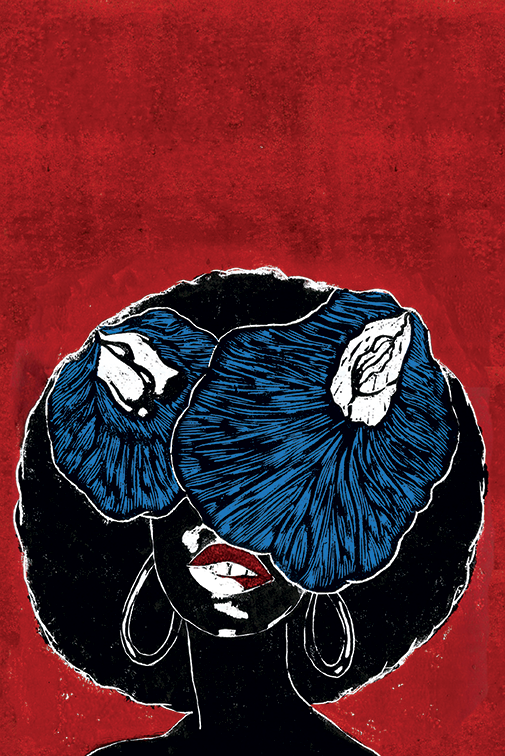
Jurema Araújo Portrait

جوريما آراوْخو،  معلّمة وشاعرة من ريو دي جانيرو. ساهمت في مجلة Urbana التي حرّرها الشاعران برازيل باريتو وسامارال، وفي كتاب Amor e outras revoluções “الحب والثورات الأخرى” مع العديد من الكتّاب الآخرين. بالتعاون مع أنجليكا فيراريس وفابيانا بيريرا، شاركت في تحرير O livro negro dos sentidos “الكتاب الأسود للحواس”، وهو مختارات إبداعية عن الحياة الجنسية للمرأة السوداء في البرازيل. جوريما عمرها 54 سنة. لديها ابنة وثلاثة كلاب وقطة والعديد من الأصدقاء.

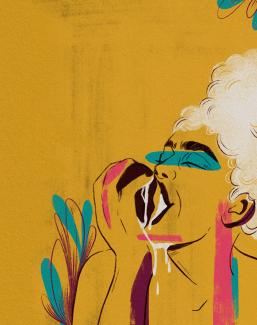
Mango Cover

مَن يودّ المصّ معي؟

المانغو هي الثمرة المفضّلة عندي.
أفتح ثغري وأمصّها كلّها،
ويعلق لبّها بين أسناني 
وأسناني تنعم كي لا تؤذيها.
أضعها بين لساني وسقف حلقي وأضغط عليها
ثم أُخرجها وأمصّ كلَّ شبرٍ منها،
وعصيرُها يسيلُ في فمي وحوله
وأنا أتبلّل وأغرق في رحيقها الساحر.
وأعود وأدخلها كلّها في ثغري،
لأنّ المانغو هي البَذْرَة والعسل
وهي العِرْق والنَكهة.
ولمّا ينتهي الأمر، أجد نفسي منتشية
مُندّية بالرحيق مُحلاة وشفتاي مبلولتان.
المانغو خُلِقَت لمتعة المرغ. 


تقديم كتاب الحواس الأسود The Black Book of Senses

يومَ دعتني أنجليكا وفابي لأكون القَيِّمة على تشكيلة نصوص شبقية من تحرير نسوة سود لم أكن أعرف ما يعنيه عملُ القيِّم. الشبق ومشتقاته، هذه فهمتها جيداً، لكن عمل القَيِّم... ابتسمت تحت وطأة الخجل والإطراء. أظن أنّي شكرتهما، على الأقلّ آمل أنّي شكرتهما، وقلت في ذاتي: ماذا تعني هذه الكلمة اللعينة؟! حسناً، سأضطر إلى سَبر معاني هذا اللقب المُبهرَج وأنا أطبّقه. 

اليوم، أنا على دراية بما يعينه عمل القيِّم. هو بمثابة ممارسة الحبّ مع نصوص شخصٍ آخر، مع فنّ شخصٍ آخر، بغية تجميع كتاب وتنظيمه. وهذا تماماً ما قمت به. عرّيت بشهوانية أدبية كلّ نصّ لكلٍّ من الكاتبات. تعمّقت في كلمات وحواس الآخرين. ولَجَتني قصائدُ لم أكتبها. حكايات ما كنت لأجرؤ على تخيّلها قلبتني رأساً على عقب وأربكت مشاعري وعبثت بشهوتي الجنسية. وكانت نشوةٌ رائعة وفريدة: سماويّة وجسمانيّة وسامية في آنٍ واحد، فكريّة وحسّيّة.

تنبض هذه النصوص كالبظر المنتصب رغبةً، رطبةٌ، ينسال منها الفرح مع كلّ قراءة. كلمات ابتلعتني بإيحاءتها اللعوبة، تأخذني أعمق فأعمق في هذا العالم الرّطب.

غطست هذه النسوة السود إلى قعرِ هَيْجِهنّ وحوّلن أعمق تخيّلاتهنّ الشبقيّة إلى فنٍّ.

أُخْصِبَت هذه الأعمال بأسلوبِ كلٍّ من الكاتبات الخاصّ في التجربة الجنسانية، بحريّة، بسوداوية، بأنفسنا، بطريقتنا الخاصّة، بتمكّن. 

اخترت أن أوزّع هذه النصوص في مختلف أجزاء الكتاب ونظّمتها بحسب محتواها الأكثر رقّة أو انفعالية أو بديهية أو ضمنيّة.

استهلالاً لهذا «اللبّ الأسود المفترج»، تأتي أقسام ’التمهيدات‘ (Preliminaries) بنصوصها التي تقدّم لمحةً للقرّاء عن عالم الأطايب هذا، وهي بمثابة لمسَة شاملة رقيقة تُعرِّف بالمواضيع التي تطرحها النصوص في باقي الكتاب. 

يلي ذلك لهيبُ ’اللمس‘ (Touch) وهو جزءٌ يُعنى بكلّ ما تشعر به البشرة. تلك الطاقة التي تحرق أو تُثلِج أجسادنا، التي تفجّر هُرموناتنا وتوقظ حواسنا الأخرى. صحيحٌ أنّ كثيرين بيننا يستمتعون بشهوة التلصُّص، لكنّ ملامسة البشرة بالفم الدافئ والرّطب مثيرٌ، وهو كالتطواف في نعومة الآخر. تُغرينا اللمسة اللطيفة أو الحازمة وتجتاحنا القشعريرة، وذلك التوتّر الجميل الذي يسري من العنق إلى الظهر ولا يختفي إلا اليومَ التالي. ودفء الشفاه والفم واللسان الرّطب على البشرة، آه من حلاوة لسانٍ ينساب داخل الأذن، أو احتكاك الجلد بالجلد، والملابس تتموّج على الجسد وكأنّها امتدادٌ لليدّ. ولمّا يكون التروّي جزءاً من المتعة، وتعصف بك الإثارة بفعل قبضة مُحْكَمة وبعضٍ من الألم – أو الكثير منه، من يدري؟

أمّا ’الصوت‘ (Sound) – أو اللحن؟ – فيبيّن لنا أنّ الانجذاب يحصل أيضاً عبر حاسّة السمع: صوت الشخص، الهمسات، الموسيقى التي تشعل التواصل بين جسدٍ وآخر وقد تمسي محورَ الرغبة. فبالنسبة لبعضٍ منّا، لا يتطلّب الأمر إلّا الأوتار الصوتية لشخصٍ ذي صوتٍ جميل، فذاك الصوت الأجشّ أو العميق أو الرخيم يكون كممارسة الجنس سمعياً. أن نسمع سِبابَهم الصارخ أو كلامهم المعسول همساً في الأذن يكفي لتجتاحنا قشعريرة الإثارة من الرأس إلى أخمص القدميْن. 

في ’المذاق‘ (Flavor)، نأتي إلى اللسان وهو الخبير في استكشاف الخبايا يجول هائماً على جسد الآخر ويتلذّذ. وأحياناً يُقحَم اللسان قحماً لتذوُّق رحيق الآخر. فكرة أن يُشاركنا أحدٌ فراولته أو مانغته الشهيّة الملأى، بالعضّ واللحس، أو اللحس ثم العضّ، فكرةٌ كفيلة بإذابتنا. لكن لا شيء يعلو على حلاوة تذوُّق جسد الآخر بكهوفه وتلاله. إقحامُ اللسان في العمق لتذوُّق الثمرة، أو قضاءُ ساعاتٍ في تذوُّق رأس القضيب في الفم، أو رضعُ ثدي شهيّ لتذوُّق الحلمة... كلّها أفعال تسعى إلى حفظ ’مذاق‘ الآخر في الذاكرة.

نجد أيضاً نصوصاً تصف كيف تُستثار الرغبة عبر الأنف. ’الرائحة‘ (Smell)، أعزائي القرّاء، قد توقظ فينا شهوات الرغبة. أحياناً نلتقي شخصاً رائحته عبقة لدرجة أننا نودّ التهامه بأنفنا. يريد الأنف أن يجول في أنحاء الجسد ويبدأ من العنق وآهٍ من الرعشة الحلوة التي تصيبنا وتعرّي الروح! يقلّ حياء الأنف فيتعمَّق ويلفّ حول العنق ليلتقط عَبَق رائحة الآخر فيحفظها. وفي غياب هذا الشخص، إن إلتقط الأنف رائحة شبيهة يحضر الشخص في ذاكرتنا، أو إن استحضرته الذاكرة تجتاحنا الرائحة والإثارة.

نصل إلى ’النظر‘ (Look)، وهو برأيي غدّار الحواس، ومن خلاله ندرك الرغبة من وجهة «نظر». هنا النصوص تصف الرغبة والإثارة عبر حاسة النظر التي توقظ باقي الحواس. أحياناً، ابتسامةٌ تكفي لِنُصاب بالجنون. تبادُل النظرات؟ تلك النظرة التي تقول «أريدك الآن». نظرة التملّك تلك التي لا تنكسر إلا مع انتهاء المضاجعة، وقد تدوم بعدها. هذه نظرة فريدة من نوعها، تجذب الآخر فيعجز عن إشاحة نظره لوقتٍ طويل. والنظرات المُسترَقة حيث يشيح واحدٌ بنظره ما أن يلتفت إليه الآخر كأنّهما في مطاردة كالقط والفأر. وما أن تلتقي الأعين وينفضح أمرنا جُلّ ما يمكننا فعله هو أن تنفرج أساريرنا بابتسامة فاغرة. 

ختاماً، يأتي الانفجار في جزء ’الحواس كافة‘ (All Senses) حيث النصوص تمزج المشاعر لتبدو كحالة تأهّب لنصل إلى اللذة القصوى، إلى النشوة. 

طبعاً، لا شيء يفصل بوضوح بين هذه القصائد والحكايات. بعضها رقيقٌ بتلميحه. الإثارة تُشغِل الحواس كافّة، والأهمّ أنّها تُشغِل الرأس، فهُنا مقام كلّ ما يحدث والجسد بكامله يستجيب. لقد نظَّمتُ القصائد وفقاً لما أثارته فيّ عند قراءتها، ولكم الحريّة في مخالفة رأيي هذا. لكن بالنسبة لي، الرغبة تنبع من حاسّة معيّنة ومن ثم تنفجر، وثمّة لذّة في تتبّع مسار الرغبة وتحديد أيٍّ من الحواس استقلّت. 

إنّ القدرة على تحويل الإثارة إلى فنّ تعني تحرير أنفسِنا من الأحكام المسبقة والسجون ووصمات العار كلّها التي حبَسَنا فيها هذا المجتمع المُتمَحوِر حول العرق الأبيض.

كلّما تقوم كاتبة سوداء بتحويل الشبقيّ إلى فنّ فهي تخلع السلاسل العنصرية المؤذية التي تشلّ جسدها وتقمع جنسانيتها وتجعل منّا غرضاً لجشع الآخرين. إنّ كتابة الشعر الشبقيّ هي استعادة لسلطتها على جسدها وهي التنقّل بلا خوف بين ملذّات الرغبة من أجل ذاتها ومن أجل الآخرين ومن أجل الحياة. 

الكتابات الأدبية الشبقيّة هي نحن عندما نتّخذ الشكل الفنّي. الشكل الذي يتيح لنا إظهار أفضل ما لدينا وآرائنا في الحبّ الملأى لذّة والمتبّلة بشهوة أجسادنا والتي تُترجَم عبر وَعْينا الفنّي. نحن متنوّعات، وهنا نشارككم هذا التنوّع في الأحاسيس عبر الكلمات المُشبَعَة إثارة. صحيح، حتّى كلماتنا ترشَح برغبتنا الجنسية وترطّب آياتنا وتجعل من شهواتنا قصائدَ. النشوة، بالنسبة لنا، إنجاز. 

أن تكون عقولنا وأجسادنا وجنسانياتنا سوداء هو أمرٌ ضروري لاستئناف لذّتنا واستعادة نشوتنا. عندها فحسب نصير أحراراً. هذه العملية برمّتها إنجازٌ وهي لا تخلو من الألم. لكنّه من المفرح أن نجد أنفسنا في مكان مختلف جداً عن حيث تمّ وضعنا. 
أشعر أنّي لكنّ/لكم، أنّي لنا. تذوّقوا هذه الكلمات العذبة معنا، تلذّذوا بها، ولْتَكُن وليمة. 


هذا النص مقتبس من مقدمة كتاب «O Livro Negro Dos Sentidos» وهي تشكيلة قصائد شبقيّة لثلاثٍ وعشرين كاتبة سوداء.

Cover image for Communicating Desire
 
Explore Transnational Embodiments

This journal edition in partnership with Kohl: a Journal for Body and Gender Research, will explore feminist solutions, proposals and realities for transforming our current world, our bodies and our sexualities.

Explore

Cover image, woman biting a fruit
 

التجسيدات العابرة للحدود

نصدر النسخة هذه من المجلة بالشراكة مع «كحل: مجلة لأبحاث الجسد والجندر»، وسنستكشف عبرها الحلول والاقتراحات وأنواع الواقع النسوية لتغيير عالمنا الحالي وكذلك أجسادنا وجنسانياتنا.

استكشف المجلة

Snippet - CSW69 - Challenging the Status Quo - EN

Challenging the Status Quo

A Critical Dialogue on Gender Equality and Human Rights

✉️ Online registration available. Register here

📅 Friday, March 21, 2025
🕒 2.30pm EST

🏢 Church Center of the United Nations, 11th Floor. 777 United Nations Plaza, New York, NY 10017

🎙️AWID speaker: Anissa Daboussi, Manager, Advancing Universal Rights and Justice team

Organizer: IWRAW AP, OURs, AWID, SRI

Pleasure(s) as the key to personal freedom

By Nkhensani Manabe

The conversation title "Pansexual, Gynasexual or Abrosexual? A dive into queerness, pleasure and sex positivity" gives one much to think about. Tiffany Kagure Mugo, author, educator and curator of HOLAAfrica, begins the discussion with a reading from Touch, a recently published collection of fiction and non-fiction essays on sex, sexuality and pleasure. In this excerpt, the author puts forward the idea that pleasure is constant and ongoing, it is to be found in everyday activities and is not confined to sexual intercourse.

This idea, that pleasure is as much a part of daily life as anything else, runs through the discussion, which also covers topics of desire, attraction and sexual orientation.

Pleasure Garden exhibition: the photographic and illustrative collaboration produced by Siphumeze and Katia

Early on, there is this sense of hope and possibility. Tiffany presents options and explains alternatives, giving us new language to speak about who we are, what we like, and how we want it. This is about desire and sex, but mostly it is about self-knowledge and empowerment. Tiffany speaks passionately about making decisions from a place of power: learning your own identity so that you are able to make the best choices for yourself. 

In a conversation that is open and free, representing the attitude that Tiffany would have us all adopt, we learn that knowledge about sex and sexuality is ever-changing, the boundaries are shifting. What we may have learned or, more importantly, been kept away from as children or adults is exactly where we should start unlearning and reprogramming. Tiffany notes that young people these days need tools to understand the experiences they are already having, a reminder to never underestimate what children and teenagers know about the kind of pleasure(s) they want to pursue in life.

The conversation opened my mind to something: knowing myself will help to build my confidence; I will be able to approach relationships with care not only for myself but for others, too. Learning the language of orientation, attraction, desire and pleasure will go towards deepening my future connections. I appreciated the space to think about this aspect of my life -- the private, intimate parts that I don’t access often. Tiffany’s enthusiasm about pleasure and identity pushed my own boundaries, allowing me to entertain new personal possibilities. 

The idea of learning how to make holistic connections is still not common. Largely, we live in a culture of instant and fleeting connections. There is hardly any time to truly reflect on how and why we are seeking relationship or partnership -- at least, not until a moment of crisis. 

Of course, there are selected spaces that welcome questions and discussions, such as the AWID Crear Résister Transform Festival and other free-thinking online platforms or publications -- but access to information from a helpful, non-judgemental source is something people are still trying to figure out. This may be in part because people are not confident in the language of sexuality and pleasure. 

Sex and Spirtuality
Pleasure Garden exhibition: the photographic and illustrative collaboration produced by Siphumeze and Katia

The notion of language and tools repeats itself throughout Tiffany’s presentation. Tiffany and her colleagues are doing the work of talking, teaching and nurturing. Seeing what people need, where they are, what they want for themselves, and walking alongside them as they build their ideal worlds. Giving them new words and definitions to help give shape to their identities at different stages of their lives. 
These are the kinds of conversations that are necessary, even in a society that has myriad healthcare messages broadcast with varying degrees of details at any given moment. Sometimes people need to be brought back from the big picture moments and encouraged to learn about their individual opinions and desires. This is what Tiffany’s talk does: it gives people a space in the larger puzzle. 

A highlight of Tiffany’s talk was the section on the different types of attraction. 

Sexual -- as in, the express desire to have intercourse with a person or people
Sensual -- the desire to touch a person or people, to be physically close without necessarily including intercourse
Romantic -- the desire to date or be in a relationship with a person or people
Platonic -- the desire to build close friendships 
Aesthetic -- the desire to look at and be pleased by the appearance of a person or people

These five types or levels of attraction offer a shorthand for desire and pleasure, and help to contextualise the different kinds of pleasure people can experience. 

Thinking of attraction beyond the physical or sexual offers a new perspective on connection. It is a chance to take the pressure off relationships, which opens up opportunities for different, more enlightened and fulfilling partnerships. 

This freedom and knowledge that Tiffany presents is a roadmap to the future. The presentation offered a new perspective on what is possible. 

As the opening excerpt states, pleasure is ongoing. In light of Tiffany’s discussion, it is also clear that it is dynamic and exciting. There is always more to know. 

This may be daunting at first, but on the other side of hesitation is hope, potential and freedom. 

Snippet - WCFM type of funding- EN

Type of funding:

Be it core funding, programmes & projects or rapid response/ emergency grants.

We Are the Ones We Have been Waiting For!

We’re beginning a new year--2023. COVID-19 continues to infect and re-infect many, many people around the world. We are witnessing the resurgence of right-wing and fascist governments, even in places we may not have expected like Sweden. War, armed conflict, and dramatic increase in militarization, militarism, and military spending are enabling the unbridled capital accumulation by the few, with participation of seemingly “strange” alliances locking arms, both visibly and invisibly, where economic and political elites of the Global North and Global South are benefitting beyond our wildest imagination. In the meanwhile, our people and the natural environment pay enormous costs and suffer all the expected and unexpected consequences.

As all of you and all of us at AWID know, feminists in multiple movements around the world are resisting and organizing against multiple faces of tyranny, creating alternative structures, implementing grassroots strategies, and building transnational alliances. We are generating joy, inspiring one another, singing, and dancing within and against the prevailing culture of killing and cynicism that seems to have engulfed so much of the world.

We--Staff and Board--of AWID are prepared and inspired more than ever before to face challenges by strengthening our relationships with our members and organizational partners, meeting and getting to know those who we are yet to meet and do what we do best: support the global feminist movements. Although we were sad facing the departures of our beloved former Co-Eds Cindy and Hakima, our wonderful new Co-EDS Faye and Inna along with committed and creative staff have embraced the moment that encapsulates both opportunities and threats.

For sure, all of us at AWID and all our movement folks know:  As the Caribbean US poet and activist June Jordan wrote to the South African women activists during the height of the apartheid regime, “We are the ones we have been waiting for”!

Snippet WITM survey result - EN

DATA SNAPSHOTS

Where is the money for feminist organizing?

1,174 feminist, women's rights & LGBTQI+ organizations 
from 129 countries participated in AWID's 2024 survey.

The data reveals the state of resourcing for feminist movements between 2021-2023, amid current major defunding trends in aid and philanthropy.

Our collective power knows no boundaries, but our bank accounts do.

Donation Success


Thank you for taking a step further to change the world!

Your generous contribution will help us support feminist movements across the globe working to achieve gender justice and women’s human rights worldwide.

You can also support our work as an AWID Member. Find out how here.

Snippet - COP30 - The People's Summit

The People's Summit

The climate summit by movements, for movements.

📅 November 12 - November 16, 2025
📍 Universidade Federal do Pará, Belém

More info here

Snippet - COP30 - Ecozine card - EN

📰 Feminist Transnational Solidarity: an Antidote to Ecocide

This collaborative zine originated from a series of sharing circles that brought together feminists from around the world throughout 2022. The purpose was to exchange ideas and mutually learn how communities are responding to the climate crisis in various local contexts.

Download the Zine

Snippet 8 - What's happening at HRC61 Intro

Protection of the Family

The Issue

Over the past few years, a troubling new trend at the international human rights level is being observed, where discourses on ‘protecting the family’ are being employed to defend violations committed against family members, to bolster and justify impunity, and to restrict equal rights within and to family life.

The campaign to "Protect the Family" is driven by ultra-conservative efforts to impose "traditional" and patriarchal interpretations of the family, and to move rights out of the hands of family members and into the institution of ‘the family’.

“Protection of the Family” efforts stem from:

  • rising traditionalism,
  • rising cultural, social and religious conservatism and
  • sentiment hostile to women’s human rights, sexual rights, child rights and the rights of persons with non-normative gender identities and sexual orientations.

Since 2014, a group of states have been operating as a bloc in human rights spaces under the name “Group of Friends of the Family”, and resolutions on “Protection of the Family” have been successfully passed every year since 2014.

This agenda has spread beyond the Human Rights Council. We have seen regressive language on “the family” being introduced at the Commission on the Status of Women, and attempts made to introduce it in negotiations on the Sustainable Development Goals.


Our Approach

AWID works with partners and allies to jointly resist “Protection of the Family” and other regressive agendas, and to uphold the universality of human rights.

In response to the increased influence of regressive actors in human rights spaces, AWID joined allies to form the Observatory on the Universality of Rights (OURs).  OURs is a collaborative project that monitors, analyzes, and shares information on anti-rights initiatives like  “Protection of the Family”.

Rights at Risk, the first OURs report, charts a map of the actors making up the global anti-rights lobby, identifies their key discourses and strategies, and the effect they are having on our human rights.   

The report outlines “Protection of the Family” as an agenda that has fostered collaboration across a broad range of regressive actors at the UN.  It describes it as: “a strategic framework that houses “multiple patriarchal and anti-rights positions, where the framework, in turn, aims to justify and institutionalize these positions.”


Related Content

Movilización por las mujeres y las niñas víctimas de la violencia de la guerra en RDC

Movilización por las mujeres y las niñas víctimas de la violencia de la guerra en RDC

La organización Initiatives des Femmes en Situations Difficiles pour le Développement Intégré [Iniciativas de las mujeres en situaciones precarias por el desarrollo integrado] se afilió a AWID en 2012 porque consideraron que era «una red a través de la cual IFESIDI podía beneficiarse de la enorme experiencia acumulada en la promoción y la protección de los derechos de las mujeres».


«¡Juntas en la lucha por los derechos de las mujeres y las niñas!»

Durante más de veinte años, las guerras que afectaron a la República Democrática del Congo (RDC) han sido la causa de violaciones masivas a los derechos humanos —especialmente los derechos de las mujeres, las adolescentes y la niñez—, entre ellas la violación y otras formas de violencia contra mujeres y niñas. La apropiación de sus recursos y su consiguiente empobrecimiento, así como el estar en situaciones de vulnerabilidad como desplazadas tras ataques contra sus aldeas, son todos factores que contribuyen a la situación precaria en que viven las mujeres y las niñas. Frente a esa realidad, IFESIDI fue creada en 2002 para mejorar la situación social de las mujeres y niñas víctimas de la violencia relacionada con la guerra, incluidas aquellas que viven en zonas rurales, y para promover y proteger sus derechos. Esta organización no confesional y sin fines de lucro está formada por 35 integrantes; sus actividades cubren al menos la totalidad de la provincia de Kivu Sur, en el este de la RDC. Con el lema «¡Juntas en la lucha por los derechos de las mujeres y las niñas!», IFESIDI espera que las congoleñas de todas las edades puedan vivir con dignidad algún día.

Fortalecer las capacidades económicas y educativas de las mujeres víctimas de la guerra
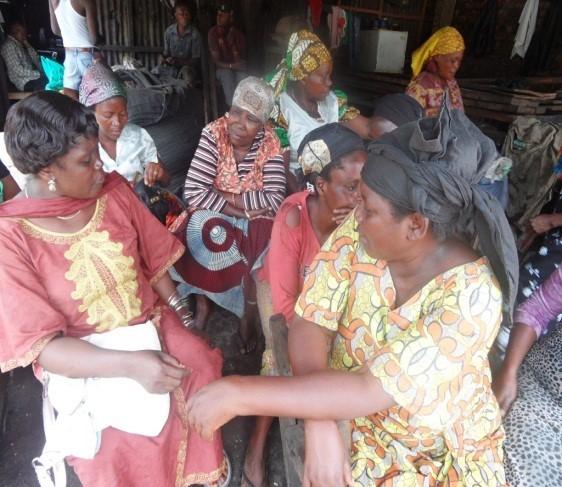
Además de servicios de consejería para mujeres y niñas víctimas de violencia en diferentes esferas —doméstica, académica y profesional—, IFESIDI está implementando un programa de desarrollo de capacidades económicas y educativas para mujeres víctimas de la guerra. Este programa incluye capacitación laboral, como la fabricación artesanal de jabón, y corte y confección.

Una de las beneficiarias del programa explica: «Antes de que IFESIDI me invitara y me capacitara, yo acarreaba bolsas pesadas de arena para los trabajadores de la construcción en la ciudad de Bukavu y me pasaba el día entero yendo y viniendo con esas bolsas en la espalda. Como mujer desplazada que vivía sin recursos financieros en esta ciudad, no tenía esperanza de seguir viviendo y nadie me miraba al pasar a mi lado... Pero hoy, gracias a IFESIDI, puedo hablar, y cuando paso la gente sabe que «Ahí va la ‘'mamá’ Ponga Musema ».
Movilización como parte de los 16 Días de activismo

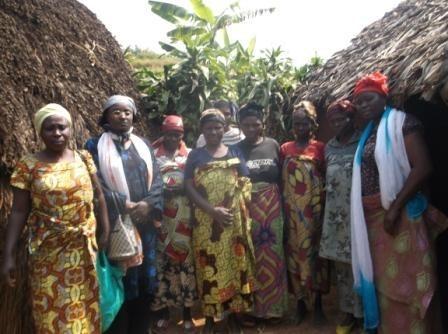
Como parte de la campaña «16 Días de activismo contra la violencia de género», que comienza el 25 de noviembre y termina el 10 de diciembre, IFESIDI está organizando actividades para crear conciencia, un panel de debate, estrategias de incidencia, intercambios y una evaluación con las mujeres y las niñas con las que trabaja la organización.


Conéctate:

Source
IFESIDI

Pour les femmes et les filles victimes de violences de guerre en RDC

Pour les femmes et les filles victimes de violences de guerre en RDC

L’association Initiatives des Femmes en Situations Difficiles pour le Développement Intégré (IFESIDI) est devenue membre de l’AWID en 2012, considérant cette dernière comme « un réseau à travers lequel l’IFESIDI pourrait bénéficier de beaucoup d’expériences dans le cadre de promotion et de protection des droits des femmes. »


« Ensemble dans la lutte pour les droits des femmes et des filles ! »

Depuis plus de vingt ans, les guerres frappant l’Est de la République démocratique du Congo (RDC) sont à l’origine de violations massives de droits humains – notamment ceux des femmes, des filles et des enfants – incluant des viols et d’autres formes de violences faites aux femmes et aux filles. La situation précaire des femmes et des filles se trouve exacerbée par l’appropriation de leurs ressources, leur paupérisation conséquente ainsi que par leur mise en situation de vulnérabilité liée aux déplacements, suite aux attaques dans leur village. Face à cette réalité, IFEDISI s’est créée en 2002 pour améliorer les conditions sociales des femmes et des filles victimes de violences liées aux guerres, notamment de celles qui vivent en milieu rural, ainsi que pour promouvoir et protéger leurs droits. Cette association non confessionnelle et à but non lucratif est composée de 35 membres et ses activités couvrent au moins toute la province du Sud Kivu à l’Est de la RDC.  Porteuse du slogan « Ensemble dans la lutte pour les droits des femmes et des filles ! »,  IFEDISI souhaite que les femmes et les filles congolaises puissent vivre un jour dans la dignité.

Renforcement des capacités économiques et éducatives des femmes victimes de guerre

En plus de ses activités d’écoute des femmes et des filles victimes de violences dans divers milieux – notamment domestique, scolaire et professionnel –, l’association mène actuellement un programme de renforcement des capacités économiques et éducatives des femmes victimes de guerre. Ce programme comprend des activités d’apprentissage de métiers, liés entre autres à la savonnerie artisanale, la coupe de tissu et la couture.

L’une des bénéficiaires du programme raconte : « Avant d’être  invitée par l’IFESIDI et d’être formée, je transportais de lourds sacs de sable pour les constructeurs de bâtiments dans la ville de Bukavu et faisais des vas-et-viens avec ces sacs sur mon dos à longueur de journée.  Femme déplacée que je suis dans cette ville, sans ressources financières, j’étais sans aucun espoir de pouvoir continuer à vivre et personne ne me regardait quand je passais… Mais aujourd’hui, grâce à l’IFESIDI, je peux parler, je peux passer et les gens sauront que c’est  « mama » Ponga Musema qui passe ! »

Mobilisée dans le cadre des 16 jours d’activisme 

Dans le cadre de la Campagne des 16 jours d’activisme contre la violence basée sur le genre qui débute le 25 novembre et se termine le 10 décembre, l’IFESIDI organise cette année des activités de sensibilisation, conférence-débat, stratégies de plaidoyer, échanges et évaluation en présence des femmes et des filles ciblées par l’association.


Connectez-vous:

  • Contactez l’IFESIDI via notre annuaire en ligne ou en envoyant un courriel à [email protected].
  • Répondez à l’appel à soutien de l’IFESIDI pour la création d’un site web qui lui permettrait de gagner en visibilité, en écrivant à [email protected].
Source
IFESIDI

Mobilizing for Women and Girl Victims of War Violence in the DRC

Mobilizing for Women and Girl Victims of War Violence in the DRC

The organization l’Initiatives des Femmes en Situations Difficiles pour le Développement Intégré (Initiatives of Women in Difficult Situations for Integrated Development, IFESIDI) became an AWID member in 2012, which they consider “a network through which IFESIDI could benefit from lots of experience in the area of promoting and protecting women’s rights.”


“Together in the fight for women’s and girls’ rights!” 

For over twenty years, the wars affecting eastern Democratic Republic of Congo (DRC) have been at the root of massive human rights violations – particularly the rights of women, girls and children – including rape and other forms of violence against women and girls.  The appropriation of their resources and their consequent impoverishment, as well as being placed in a vulnerable situations from displacement following attacks in their village, all contribute to a precarious situation for women and girls. Faced with this reality, IFESIDI was created in 2002 to improve the social conditions of women and girl victims of violence related to war, including those living in rural areas; and to promote and protect their rights. This non-denominational non-profit is composed of 35 members, its activities covering at least the whole of the South Kivu province in eastern DRC. With the slogan “Together in the fight for women’s and girls’ rights!” IFESIDI hopes that Congolese women and girls can one day live in dignity.

Strengthening the Economic and Educational Capacities of Women Victims of War

In addition to counselling services for women and girl victims of violence in different spheres – namely domestic, academic and professional – the organization is currently conducting an economic and educational capacity building program for women victims of war. The program includes job training, related to, among others, artisan soap making, fabric cutting and sewing.  

One of the beneficiaries of the program explains: “Before being invited by IFESIDI and being trained, I was carrying heavy bags of sand for construction workers in the city of Bukavu, going back and forth with these bags on my back all day long. The displaced woman that I am in this city, without financial resources, I was without any hope to continue to live and no one looked at me when I passed by… But today, thanks to IFESIDI, I can talk, I can pass by and people will know that it’s “mama” Ponga Musema who is passing by!”      

Mobilizing as part of the 16 Days of Activism

As part of the 16 Days of Activism against Gender-Based Violence campaign, which begins on 25 November and ends 10 December, IFESIDI is organizing awareness raising activities, a panel discussion, advocacy strategies, exchanges and an evaluation with the women and girls that the organization targets.


Get connected

Source
IFESIDI

Ensuring Security for Human Rights Defenders, Protecting the Freedom of Expression

Ensuring Security for Human Rights Defenders, Protecting the Freedom of Expression

Originally from Pakistan, Javeria Ayaz Malik is a human rights activist, and a communications and security expert who lives and works in Johannesburg, South Africa as the International Security Advisor and head of the Staff Security Department at ActionAid International. In this role she coordinates the organisation’s safety and security policy and establishes external relationships with global security networks.


Javeria also advises ActionAid’s leadership on appropriate security management strategies aimed at reducing safety and security risks that staff may face in the course of their duties.

Javeria has a professional background in journalism and mass communications and previously worked for Pakistan’s national television where she researched and wrote scripts for broadcasting, in addition to working as a television host and radio presenter. As an ardent believer in human rights, freedom of expression, and equality, Javeria considers journalism and communication “to be her first love”. She shares with us her thoughts on the connection between journalism and  security :

Ethical and objective journalism can shape a society, empower people living in poverty, and hold the duty bearers to account. No wonder journalists continue to be under threat at the hands of repressive regimes and corporate interests around the world. That’s where my security skills become relevant.

As a certified and experienced security trainer, Javeria’s training curriculums and methodologies include specific modules particularly aimed at enhancing protection strategies for human rights defenders, and especially for women human rights defenders. As one of the very few women security experts from the Global South, Javeria says:

Women in this age and time are in a constant combat! We face and fight stereotypes and mobbing on a daily basis, but this has only made us stronger and more determined.

Javeria has been an AWID members since March 2015. She joined AWID to “connect with like-minded people and to be more involved in women’s rights initiatives globally.”


Connect with her through the AWID members online directory or by emailing [email protected]

Region
South Asia

Garantizar la seguridad para las/os defensoras/es de derechos humanos, proteger la libertad de expresión

Garantizar la seguridad para las/os defensoras/es de derechos humanos, proteger la libertad de expresión

Originaria de Pakistán, Javeria Ayaz Malik es activista de derechos humanos, así como experta en comunicaciones y seguridad. Vive en Johannesburgo, Sudáfrica, y trabaja como Asesora en Seguridad Internacional y jefa del Departamento de Seguridad del Personal en ActionAid International. En ese rol coordina la política de protección y seguridad de la organización y entabla vínculos externos con redes globales de seguridad. Javeria también asesora a líderes de ActionAid sobre estrategias apropiadas para gestión de la seguridad dirigidas a reducir los riesgos que puede enfrentar el personal en materia de protección y seguridad al cumplir con sus tareas.


Javeria tiene una trayectoria profesional en periodismo y comunicación masiva. Trabajó para la televisión nacional de Pakistán, investigando y escribiendo guiones además de ser presentadora tanto de televisión como de radio. Javeria cree fervientemente en los derechos humanos, la libertad de expresión y la igualdad, y considera que el periodismo y la comunicación fueron sus «primeros amores». Nos comparte sus ideas acerca de la relación entre el periodismo y la seguridad:

"El periodismo ético y objetivo puede influir sobre la sociedad, empoderar a las personas que viven en la pobreza y exigir rendición de cuentas a quienes son responsables de cumplir obligaciones. No es sorprendente que las/os periodistas continúen sufriendo amenazas por parte de regímenes opresores e intereses corporativos en todo el mundo. Por eso mis conocimientos sobre seguridad se tornan relevantes."

Como capacitadora certificada y con experiencia en materia de seguridad, Javeria ha desarrollado planes y metodologías de formación que incluyen módulos específicos dirigidos particularmente a mejorar las estrategias de protección para defensoras/es de derechos humanos y sobre todo para las mujeres defensoras. Javeria es una de las escasas mujeres del Sur Global que son expertas en seguridad y desde esa perspectiva dice:

"En esta época y este momento, ¡las mujeres estamos librando una batalla constante! Cada día enfrentamos estereotipos y acoso, pero todo eso solo nos ha hecho más fuertes y más decididas."

Javeria ha estado afiliada a AWID desde marzo de 2015. Cuenta que «me sumé a AWID para entrar en contacto con personas afines a mí y participar más en iniciativas por los derechos de las mujeres a nivel global».


Puedes contactarte con Javeria mediante el directorio en línea o enviando un correo electrónico a [email protected]

Region
Asia del Sur

Assurer la sécurité des défenseur-e-s des droits humains, protéger la liberté d’expression

Assurer la sécurité des défenseur-e-s des droits humains, protéger la liberté d’expression

Javeria Ayaz Malik, originaire du Pakistan, est activiste des droits humains et experte en communication et en sécurité. Elle habite Johannesburg, en Afrique du Sud, où elle travaille en qualité d’International Security Advisor (conseillère en sécurité internationale) et responsable du Staff Security Department (département de sécurité du personnel) d’ActionAid International.


Dans cette fonction, elle coordonne les politiques de sécurité et de sûreté de l’organisation et noue des relations externes avec des réseaux de sécurité mondiaux. Javeria conseille aussi la direction d’ActionAid quant aux stratégies appropriées de gestion de la sécurité, visant à réduire les risques de sécurité et de sûreté auxquels le personnel peut être confronté dans l’exercice de ses fonctions.

Javeria a des antécédents professionnels en journalisme et communication de masse, elle a travaillé précédemment pour la télévision nationale du Pakistan, où elle a fait de la recherche et écrit des scripts pour la diffusion, sans oublier son travail d’animatrice de télévision et de présentatrice à la radio. Javeria, ardente défenseuse des droits humains, de la liberté d’expression et de l’égalité, considère le journalisme et la communication comme « son premier amour ». Elle partage avec nous ses réflexions sur le lien entre le journalisme et la sécurité :

Le journalisme éthique et objectif peut façonner une société, renforcer le pouvoir des personnes qui vivent dans la pauvreté et obliger les responsables à rendre des comptes. Il n’est pas étonnant que les journalistes continuent d’être menacés, dans le monde entier, par les régimes répressifs et les intérêts des entreprises. C’est là qu’interviennent mes compétences en matière de sécurité.

Les cours de formation et la méthodologie de Javeria, formatrice certifiée expérimentée en sécurité, comprennent des modules spécifiques particulièrement destinés à améliorer les stratégies de protection pour les défenseur-e-s des droits humains, en particulier pour les défenseuses des droits humains. Javeria, l’une des très rares femmes expertes en sécurité des pays du sud, déclare :

À notre époque, les femmes mènent un combat permanent ! Nous sommes confrontées et luttons contre les stéréotypes et le harcèlement au quotidien, mais cela nous a rendues plus fortes et plus déterminées.

Javeria est membre de l’AWID depuis mars 2015. Elle a adhéré à l’AWID pour « entrer en relation avec des personnes qui partagent les mêmes avis et pour s’impliquer davantage dans les initiatives en faveur des droits des femmes dans le monde. »


Contactez-la par le répertoire en ligne des membres de l’AWID ou en adressant un e-mail à [email protected]

Region
Asie du Sud