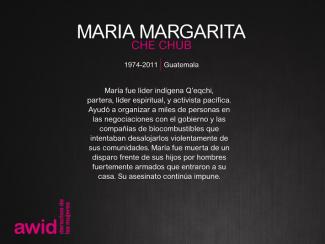
Maria Margarita Che Chub
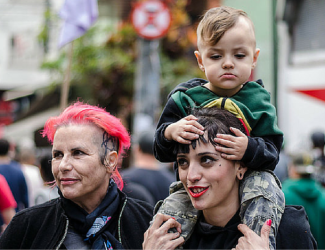
Esta sección de análisis especial ofrece un análisis feminista crítico y acceso a los recursos clave relacionados con la «protección de la familia» en los espacios internacionales de derechos humanos.
Durante los últimos años, venimos observando una nueva y preocupante tendencia en el ámbito internacional de derechos humanos, donde se están empleando discursos sobre la «protección de la familia» para defender violaciones cometidas contra miembros de la familia, de modo de reforzar y justificar la impunidad y para coartar la igualdad de derechos en el seno de la familia y la vida familiar.
La campaña para «proteger a la familia» es impulsada por proyectos conservadores que tienen como fin imponer interpretaciones «tradicionales» y patriarcales de familia; quitando los derechos de las manos de sus miembros para ponerlos en las de la institución «familia».
Desde 2014 un grupo de estados opera como bloque en espacios de derechos humanos, bajo el nombre «Group of Friends of the Family» [Grupo de amigos de la familia], y a partir de entonces se han aprobado resoluciones sobre la «Protección de la familia» todos los años.
Esta agenda se ha extendido más allá del Consejo de Derechos Humanos (HRC, por sus siglas en inglés). Hemos visto cómo el lenguaje regresivo sobre «la familia» se ha introducido en la Comisión de la Condición Jurídica y Social de las Mujeres (CSW, por sus siglas en inglés), y hemos asistido a intentos por incluir este lenguaje en las negociaciones sobre los Objetivos de Desarrollo Sostenible.
AWID trabaja con asociadxs y aliadxs para resistir conjuntamente las agendas regresivas de «Protección de la familia» y otras, y para defender la universalidad de los derechos humanos.
En respuesta a la creciente influencia de actores regresivos en los espacios de derechos humanos, AWID se ha unido con aliadxs para formar el Observatorio de la Universalidad de los Derechos (OURs, por sus siglas en inglés). OURs es un proyecto colaborativo que monitorea, analiza y comparte información sobre iniciativas anti-derechos tales como la «Protección de la familia».
Derechos en Riesgo, el primer informe de OURs, traza un mapa de los actores que conforman el cabildeo global anti-derechos e identifica sus discursos y estrategias principales, señalando los efectos que estos discursos y estrategias están teniendo sobre nuestros derechos humanos.
El informe expone a la «Protección de la familia» como una agenda que ha promovido la colaboración entre una amplia gama de actores regresivos en las Naciones Unidas. La describe como un marco estratégico que aloja «múltiples posiciones patriarcales y anti-derechos, cuyo marco, a su vez, apunta a justificar e institucionalizar estas posiciones».
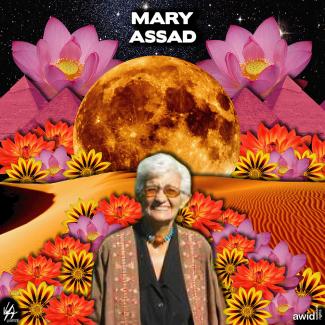
An expert on social development and anthropologist by training, Mary was best known as a pioneer in the battle against Female Genital Mutilation (FGM).
Born in Cairo Egypt in 1922, Mary’s work in development started early, as she joined the Youth Women’s Christians’ Association (YWCA). Mary was a member of the World Council of Churches and became increasingly concerned with issues regarding women’s health. Her long struggle against FGM proved fruitful in 2008, when Egypt finally criminalized the practice.
She is remembered as a mentor to many Egyptian feminists and activists.
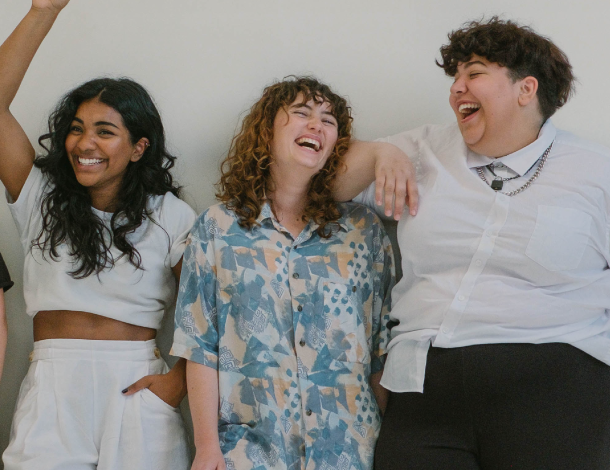
We strive to make the AWID Forum a truly global gathering with participation from a diverse array of movements, regions and generations. To this end, AWID mobilizes resources for a limited Access Fund (AF) to assist some participants with the costs of attending the Forum.
The 14th AWID International Forum will take place 11-14 January 2021, in Taipei, Taiwan.
For this AWID Forum, there will be no application process.
In addition, AWID will fund approximately 100 participants from the Forum’s location. Forum Committee Members (Content and Methodology, Access and Host) as well as those in the Artists Working Group [link] are also granted Access Fund support.
We have listed other ideas on how to fund your participation at the AWID Forum on the Funding Ideas page.
"Sabemos que todo está en nuestra contra y hay muy pocas posibilidades de cambiar eso. Pero creemos en la intervención y creo que tenemos una oportunidad y deberíamos usarla. Es por eso que estamos haciendo todo lo que estamos haciendo. Estamos dispuestos a presionar por cosas inauditas".
- Sopo Japaridze para OpenDemocracy
Photo @სოლიდარობის ქსელი / Solidarity Network
Participa en el Foro Internacional de AWID - un importante encuentro feminista global—, y accede a descuentos especiales para afiliadxs de AWID y puntos de entrada para el diálogo virtual. Creado en conjunto por los movimientos feministas, el Foro es un espacio único para una discusión profunda y para dejar correr la imaginación, donde desafiamos y fortalecemos nuestros procesos organizativos, donde conectamos nuestras luchas y las realidades feministas.

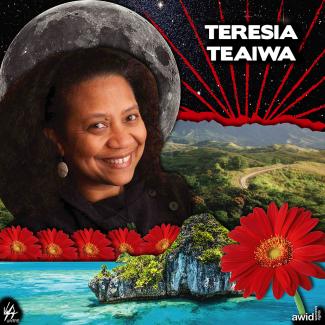
Retratada en The Guardian como uno de los íconos nacionales de Kiribati, Teresia fue una valiente activista.
Trabajó estrechamente con los grupos feministas en Fiji y que puso sus investigaciones al servicio de las cuestiones feministas y de género en el Pacífico. Además, fue coeditora de la publicación International Feminist Journal of Politics. Su influencia se extendió desde la frontera académica hasta los movimientos por la justicia social en la región de Oceanía.
Financiamento externo inclui subsídios e outras formas de financiamento de fundações filantrópicas, governos, financiadores bilaterais, multilaterais ou empresariais, e doadores individuais, tanto a nível nacional como internacional. Não inclui recursos gerados autonomamente por grupos, organizações e/ou movimentos, como, por exemplo, quotas de membres, contribuições voluntárias de colaboradores, membres e/ou apoiantes, angariações de fundos comunitários, aluguer de espaços ou venda de serviços. Para facilitar a consulta, estão incluídas no inquérito definições dos diferentes tipos de financiamento e descrições resumidas de diferentes doadores.
The co-creation of our feminist realities starts with ourselves and how we treat each other. We are dedicated to creating and protecting safe and supportive spaces for our communities both online and in person. We also consider that safe and welcoming spaces are co-owned and co-created.
We expect our members to act in a manner that is ethical, responsible and consistent with the values of AWID and assume collective responsibility to ensure an atmosphere of mutual respect and solidarity.
Connect with others, help break isolation and further solidarity. It’s easy to feel lost and alone, and a little friendliness and responsiveness goes a long way.
Interact and engage peacefully. Differences in opinion will naturally arise, so please think of these differences as useful for expanding your thinking and ways of seeing the world.
Help build a space that recognizes and validates multiple lived experiences and diversities of bodies and gender expressions. Recognize that we all carry intersectional identities.
Use inclusive language. Be respectful of how people want to be referred to in terms of gender identity or expression (like pronouns), and practice inclusive language.
Listen and make adjustments in your behavior and ways of engaging if someone says they feel uncomfortable. Don’t ask others questions that you wouldn't want to be asked yourself.
Help challenge oppressive behavior, which includes harassment, verbal or physical violence, violation of consent, and any action that perpetuates classism, ageism, ableism, racism, misogyny, heterosexism, transphobia and other oppressions. If needed, please reach out to AWID staff.
Practice speaking and listening with an open mind and heart and without judgement.
Be honest, open and heartfelt. Speak and share authentically about your experiences, your challenges, your hopes and dreams, and your vision for your own life and your community.
Practice active listening and self-awareness. Be aware of how much time and space you are taking up- leave room for others, practice active listening and learning.
Be mindful and credit others for their work and activism. Remember that we are all working collectively to contribute to change-- Ensure that you recognize the contribution of others and credit them when appropriate e.g. in discussions, or in articles, pictures etc.
Stay safe! We encourage you to take measures to protect yourself online and in person, especially if you have reason to believe that speaking out will put you in danger. Members may use aliases or profile images that conceal their identity. For more information please refer to the “Digital Security First Aid Kit for Human Rights Defenders” produced by APC - Association for Progressive Communications.
Respect the privacy needs of others! Do not share or forward any information without explicit permission.
We take a position in solidarity with each other and diverse struggles for justice and freedoms. We strive to mobilize and strengthen collective action and practice meaningful ways of working with each other.
We believe in a full application of the principle of rights including those enshrined in international laws and affirm the belief that all human rights are interrelated, interdependent and indivisible. We are committed to working towards the eradication of all discriminations based on gender, sexuality, religion, age, ability, ethnicity, race, nationality, class or other factors.
We strive for transparency, responsible use of our resources, fairness in our collaborations and accountability and integrity with our members, partners, funders and the movements with(in) which we work. We are committed to reflecting on our experiences, sharing our learnings openly, and striving to change our practices accordingly.
We believe that for feminist movements to be transformative and strong we must continue to work across our similarities and differences. We also must interrogate power and privilege both within and outside our movements.
We celebrate everyone's right to choose their identities, relationships, goals, work, dreams and pleasures, and what they do with their mind, body and spirit. We believe in working towards access to resources, information and safe and enabling environments that allow this to happen.
We work towards a world based on social, environmental, and economic justice; and interdependence, solidarity, and respect. We work towards dismantling systems of oppressive power and against all its manifestations, including patriarchy, fundamentalisms, militarisms, fascisms and corporate power that threaten our lives and our world. We want a just world where resources and power are shared in ways that enable everyone to thrive.
Please note:
AWID reserves the right to delete comments, suspend or revoke membership when our community guidelines have been violated. AWID members are not authorised to represent AWID in any official capacity unless stipulated in writing. Members cannot use AWID spaces to proselytize or recruit members to join a religious faith or organisation. Members cannot use AWID spaces to request funds for personal use although links to external fundraising efforts or activism campaigns are permissible.
Nous nous attachons à faire preuve de transparence, à utiliser nos ressources de manière responsable, à être équitables dans nos collaborations et à faire preuve de responsabilité et d'intégrité envers nos membres, nos partenaires, nos bailleurs de fonds et les mouvements avec lesquels nous travaillons. Nous nous engageons à réfléchir sur nos expériences, à partager ouvertement nos connaissances et à nous efforcer de modifier nos pratiques en conséquence.
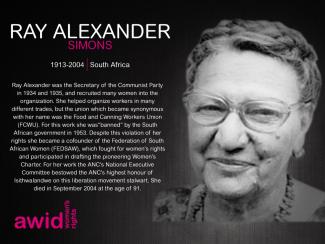
Stella a commencé sa carrière au ministère du Genre et du Développement communautaire en Ouganda. Elle œuvrait auprès des décideurs-euses politiques, pour encourager des réformes législatives, dont celle de la Constitution ougandaise en 1995 qui a entériné certaines des réformes les plus progressives pour les femmes dans la région.
Elle était adorée dans la région tout entière pour ses incessants efforts pour la création et l’application de lois et politiques sensibles au genre. Elle a joué un rôle clé dans l’ébauche de la loi sur les violences domestiques en Ouganda. Elle a aussi contribué à une mobilisation importante en faveur de Constitutions sensibles au genre à la fois en Ouganda et au Rwanda.
Par son travail au Centre international de recherches sur les femmes (International Center for Research on Women, ICRW), elle a abordé les thématiques de la violence à l’égard des enfants. Stella s’est attachée à renforcer les organisations locales qui luttent contre les violences basées sur le genre. Conférencière en Droits genrés et loi à l’université Makerere, elle a également siégé aux conseils d’administration d’Akina Mama wa Afrika, ActionAid International Uganda et l’Open Society Initiative for Eastern Africa.
تلتزم جمعية حقوق المرأة في التنمية بالعدالة اللغوية ونأسف على عدم توفر الاستطلاع بلغات أخرى في الوقت الحالي. إن كنتم/ن بحاجة لدعم من مترجم/ة أو أردتم/ن تعبئة الاستطلاع بأي لغة أخرى، الرجاء الكتابة لنا عبر البريد الالكتروني: [email protected]
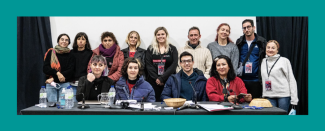
The AWID Forum is just one stop in the Feminist Realities journey. Let’s travel this path together and explore our power in action!