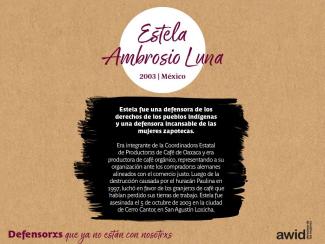
Estela Ambrosio Luna
Defensoras de derechos humanos de todo el planeta defienden sus tierras, medios de subsistencia y sus comunidades ante las industrias extractivas y el poder corporativo. Ellas hacen frente a fuertes intereses económicos y políticos que promueven el robo de tierras, el desplazamiento de comunidades, la pérdida de los medios de subsistencia y la degradación del medioambiente.
El extractivismo es un modelo económico y político de desarrollo que mercantiliza la naturaleza y prioriza la ganancia por sobre los derechos humanos y el medioambiente. Arraigado en la historia colonial, refuerza las desigualdades sociales y económicas tanto a nivel local como global. Muchas veces, las mujeres negras, rurales e indígenas son las más afectadas por el extractivismo, y además son notablemente excluidas de la toma de decisiones. Desafiando estas fuerzas patriarcales y neocoloniales, las mujeres se alzan en defensa de los derechos, las tierras, las personas y la naturaleza.
Las defensoras que enfrentan a las industrias extractivas, experimentan una diversidad de riesgos, amenazas y violaciones, incluidas la criminalización, la estigmatización, la violencia y laintimidación. Sus historias dan cuenta de marcados aspectos de violencia sexual y de género. Entre los perpetradores se incluyen autoridades estatales y locales, las corporaciones, la policía, el ejército, las fuerzas paramilitares y de seguridad privada, y en algunos casos, sus propias comunidades.
AWID y la Coalición Internacional de Mujeres Defensoras de Derechos Humanos (WHRDIC por su sigla en inglés) tienen el placer de anunciar «Defensoras de derechos humanos confrontado al extractivismo y al poder corporativo»; un proyecto interregional de investigación que documenta las experiencias vividas por las defensoras de Asia, África y América Latina.
Alentamos a activistas, integrantes de movimientos sociales, la sociedad civil organizada, donantes y responsables de políticas públicas, a leer y utilizar estas producciones para el trabajo de incidencia, con fines educativos y como fuente de inspiración:
«Defensoras de derechos humanos confrontando a las industrias extractivas: un panorama de los riesgos críticos y las obligaciones en materia de derechos humanos» es un informe sobre políticas desde la perspectiva de género (en inglés, pronto disponible en español). Analiza las formas de violaciones y los tipos de perpetradores, hace referencia a las obligaciones relevantes en derechos humanos e incluye recomendaciones de políticas para los estados, corporaciones, la sociedad civil y donantes.
«Tejiendo la Resistencia a través de la Acción: Las Estrategias de las Defensoras de Derechos Humanos contra a las Industrias Extractivas» es una guía práctica que expone formas creativas y deliberadas de acción, tácticas exitosas e inspiradoras historias de resistencias.
El video «Defendiendo a las Personas y al Planeta: Mujeres Confrontando a las Industrias Extractivas» está protagonizado por defensoras de derechos humanos de África, Asia y América Latina, que comparten sus luchas por la tierra y la vida, y hablan de los riesgos y desafíos que enfrentan en su activismo.
«Desafiar al poder corporativo: Las luchas por los derechos de las mujeres, la justicia económica y de género» es un informe de investigación que explica los impactos del poder corporativo y ofrece ideas sobre estrategias de resistencia.
AWID reconoce con gratitud las invaluables contribuciones de cada Defensora de Derechos Humanos que ha sido parte de este proyecto. Esta guía ha sido posible gracias su generosidad y apertura al compartir sobre sus experiencias y lecciones. Su coraje, creatividad y resiliencia son una inspiración para todxs nosotrxs. ¡Muchas gracias!
Nous demandons ces données pour faciliter l’examen des réponses, éviter les doublons et pouvoir vous contacter si votre groupe n’a pas pu terminer le questionnaire et/ou vous répondre si vous avez des doutes ou des questions. Des informations sur la manière dont nous utilisons les informations personnelles collectées lors de notre travail sont disponibles ici.
We will analyze the survey responses, derive insights and trends, and present the results during the 15th AWID International Forum in Bangkok, and online, in December 2024. Register to attend the Forum here!
“It’s the indigenous knowledge and the practices that have always supported food sovereignty and this knowhow is in the hands of the women … Ecofeminism for me is the respect for all that we have around us.”
Mariama Sonko
Interview to The Guardian
Related content
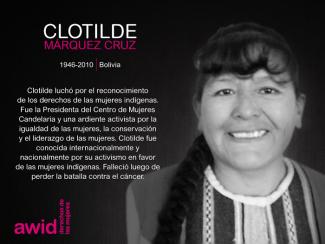
The Guardian: Kate Millett Obituary
New York Times: Kate Millett, Ground-Breaking Feminist Writer, Is Dead at 82
The New Yorker: A Last Interview with Kate Millett
الاستطلاع هذا مخصّص للمجموعات، المنظمات والحركات التي تعمل بالأساس أو فقط على حقوق النساء، أفراد مجتمع الميم - عين، والحقوق الجندرية، في جميع السياقات، على جميع المستويات، وفي جميع المناطق. إن كان واحد من هذه المبادئ اساسًا لمجموعتكم/ن، تنظيمكم/ن أو شبكتكم/ن، أو أي نوع تنظيم آخر، إن كان مسجلاً أم لا، جديداً أو طويل العمر، ندعوكم/ن للإجابة على الاستطلاع.

*في الوقت الحالي، لا نطلب من الأفراد أو الصناديق النسوية أو النسائية تعبئة الاستطلاع.
تعرف على المزيد حول الاستطلاع: راجع/ي الأسئلة الشائعة
Un lugar de trabajo no tiene que operar sobre la base de la competencia y las ganancias. No tiene que explotar a la gente en beneficio de unx dueñx o pequeña élite.
Las comunidades vulnerabilizadas al margen de las economías formales han ido construyendo modelos cooperativos alternativos basados en la autonomía, la cooperación, la corresponsabilidad, la autogestión y la solidaridad.
Las cooperativas y lugares de trabajo autogestionados por lxs trabajadorxs siempre han ofrecido formas alternativas de generar oportunidades de empleo, ingresos, seguridad social y ahorros y, al mismo tiempo, distribuir los ingresos de formas más comunitarias, sostenibles y seguras.
Pero es más que una oportunidad de empleo: es hacer realidad los sueños y construir economías feministas basadas en la solidaridad y el cuidado mutuo. Es crear un mundo donde nuestras vidas, nuestro trabajo y nuestras comunidades importen.
Esta es la historia de la Cooperativa Textil Nadia Echazú, la primera cooperativa creada y dirigida por y para personas travesti y trans en Argentina.

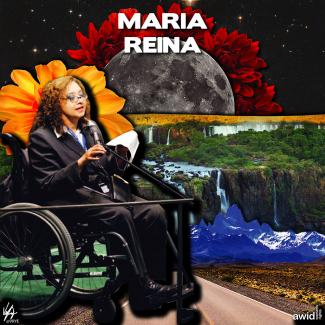
Representó al Consorcio Internacional sobre Discapacidad y Desarrollo (IDDC por su sigla en inglés) durante la negociación de la Convención sobre los Derechos de las Personas con Discapacidad (2001-2006). Su trabajo estaba dedicado a la implementación del objetivo de la Convención: el goce pleno de los derechos humanos universales por, para y con las personas con discapacidades, en pos de un mundo inclusivo, accesible y sostenible.
En sus propias palabras, su liderazgo consistía en «servir a la comunidad de personas con discapacidad, comenzando por aquellas pequeñas tareas que otrxs pueden no querer realizar».
Falleció el 27 de octubre de 2017 en su ciudad natal de Rosario, Argentina.
En esta nota puede leerse más sobre María Verónica Reina, en sus propias palabras.
Укрепить наш коллективный голос и влияние на увеличение и улучшение финансирования феминистских организаций, организаций по защите прав женщин, ЛГБТКИ+ и смежных организаций по всему миру
AWID began preparing this annual report just as the global pandemic began to unravel how we gather, organize and live our lives. It is impossible to review what we have done without COVID-19 tinting our assessment.
Download the full 2019 Annual review
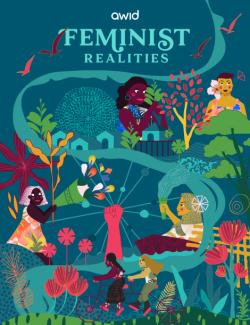
It is an urgently needed affirmation that there are other, more just ways of organizing our lives. During 2019 hundreds of groups shared their experiences and proposals for feminist realities with us, ranging from radical networks of community support in Latin America facilitating self-managed abortion, to practices of community-centered economies in Indonesia and community-centered food systems in India and the US, to a re-imagination and new practice of harm-free rites of passage in Sierra Leone. These are the experiences that will chart a path forward for a “new normal”.
Yet long histories of oppression and violence can make it difficult to imagine the possible. A key part of our work in 2019 was to spark these explorations through a toolkit AWID launched to support groups interested in unearthing the stories and aspirations that are the building blocks of feminist propositions.
Through the Observatory on the Universality of Rights, Feminists for a Binding Treaty, Count Me In! and other alliances, AWID has continued to push back against unfettered corporate power and fascist and fundamentalist agendas that undermine women’s rights and gender justice. With dim prospects for transformative change through multilateral processes and limited responsiveness from most states, we are redoubling our efforts to ensure that feminist movements, in all their diversity, are resourced in ways that match the critical roles they play - supporting their communities, demanding rights and responding to crises. In 2019 we introduced feminist principles and approaches to ground-breaking funds like the Spotlight Initiative and the Equality Fund, and succeeded in leveraging resources through feminist reality seed grant funding from feminist funders.
As we look ahead, it is clear that the context is calling for a transformation of our organizing strategies:
AWID is embarking on a new membership model that lowers barriers to access and emphasizes opportunities for engagement and cross-member connection. We will continue to experiment with different online tools and processes for building community. Cross-movement engagement will stay at the center of our work. AWID’s actions in solidarity with oppressed movements and identities, even and especially where these are marginalized in feminist movements, are important to drive change and support broad and inclusive movements for all.
We are resilient, we adapt, and we show up for each other. And we have to keep doing better. Thank you to all who are part of the journey with us.
Download the full 2019 Annual review

1 personne trans et travesti sur 3 en Argentine vit dans un ménage à faible revenu.

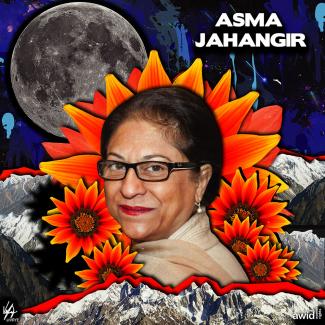
Asma était une militante pakistanaise des droits humains, une critique courageuse de l'ingérence de l'armée dans la politique et une défenseure acharnée de la primauté du droit.
Elle a été la présidente fondatrice de la Commission des droits de l'homme du Pakistan, un groupe indépendant ainsi qu’administratrice de l'International Crisis Group. Elle a remporté des prix internationaux et a été rapporteuse des Nations Unies sur les droits de l'homme et les exécutions extrajudiciaires.
Ses collègues et ami-e-s de l’AWID se souviennent d'elle avec affection
« Grâce à sa vie, Asma a réécrit l'histoire que beaucoup d'entre nous ont racontée en tant que femmes. Asma a changé le monde. Elle l'a changé au Pakistan et elle l'a changé dans notre imaginaire. »